ICMR hands over Mobile Stroke Units to Assam to cut treatment time in remote areas
ICMR has handed over two Mobile Stroke Units to the Assam government, aiming to speed up diagnosis and early treatment for stroke patients in hard-to-reach locations. By bringing emergency assessment closer to patients, officials say the model can reduce delays that often determine survival and long-term disability outcomes.
The Indian Council of Medical Research (ICMR) has handed over two Mobile Stroke Units (MSUs) to the Government of Assam, in a move intended to strengthen emergency stroke care for people living far from major hospitals. The initiative, reported on January 25, 2026, aims to reduce the time taken to evaluate and begin treatment—an especially critical factor in stroke outcomes.
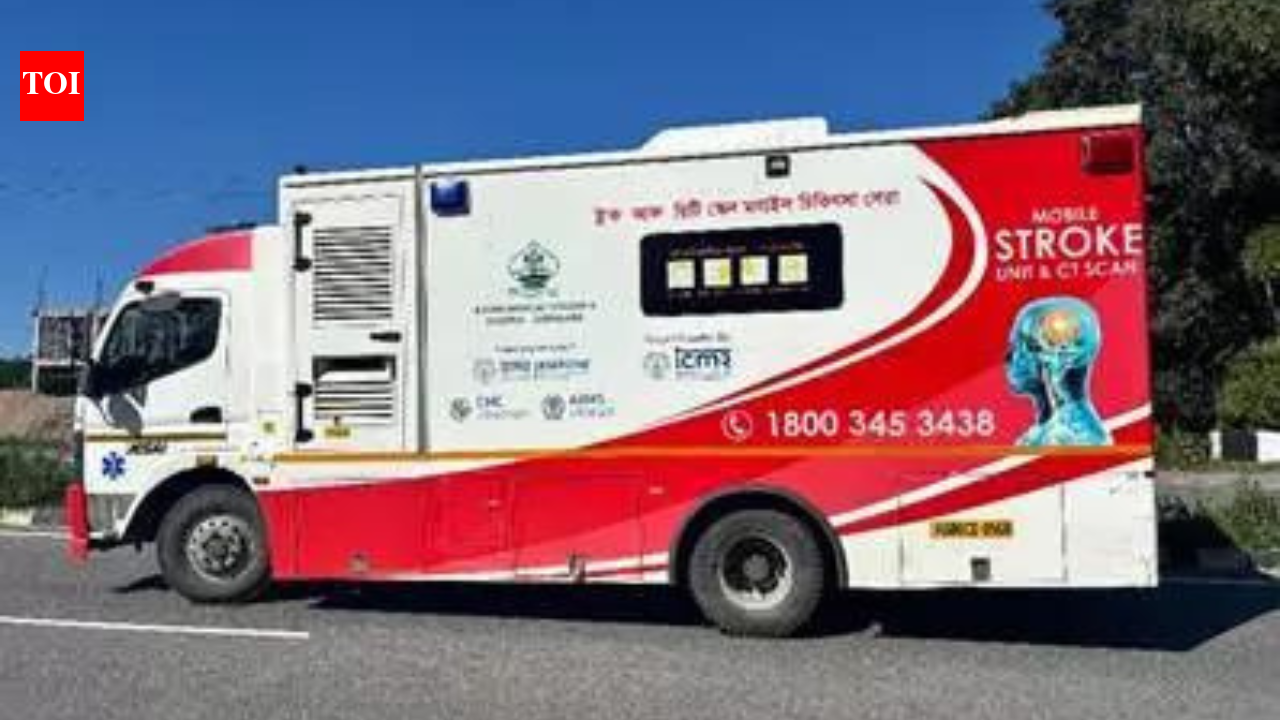
Health officials say the MSU model can bring diagnostic capability and specialist-linked decision-making closer to patients. In many parts of the Northeast, travel time to tertiary hospitals can be long; delays often reduce the window for certain time-sensitive interventions and can worsen disability risk even when the patient survives.
Why time matters in stroke care
Stroke treatment is highly dependent on early recognition and rapid medical response. Systems that compress ‘symptom-to-door’ time typically improve chances of better recovery. Mobile units can help by enabling assessment in the field, guiding triage, and ensuring patients are directed to appropriate facilities with minimal delay.
The reported objective is to bring treatment time down substantially by shifting part of the emergency pathway to the patient’s location rather than relying entirely on hospital arrival. This can be particularly useful in rural and semi-urban districts where ambulance response and referral chains are stretched.
How such units can help (in practice)
- Faster initial assessment and stabilisation at or near the patient location.
- Early identification of stroke warning signs and rapid referral decisions.
- Better coordination so the patient reaches the right hospital, not just the nearest one.
- Potential reduction in avoidable disability through shorter delays.
If the units perform well operationally, the approach could become a template for similar geographies where travel time is a major barrier to emergency neurological care.