North India remains under fog and cold-wave risk through Jan 26; IMD notes health and travel caution for vulnerable groups
IMD’s late-January forecast indicates dense to very dense fog in pockets and isolated cold-wave conditions across parts of north India through January 26, alongside thunderstorms and snowfall risks from a fresh western disturbance—conditions that can raise respiratory stress and accident risk, especially for seniors, children and outdoor workers.
Why this is a public-health concern
Periods of dense fog and cold-wave conditions are not only travel hazards; they can also raise health risks for vulnerable populations. IMD’s forecast for late January flags dense to very dense fog in pockets over parts of Punjab, Haryana and Chandigarh during January 25–26, with cold-wave conditions likely in isolated pockets across parts of Himachal Pradesh, Punjab, Haryana-Chandigarh and Rajasthan in the same window.
Compounding risks as a western disturbance arrives
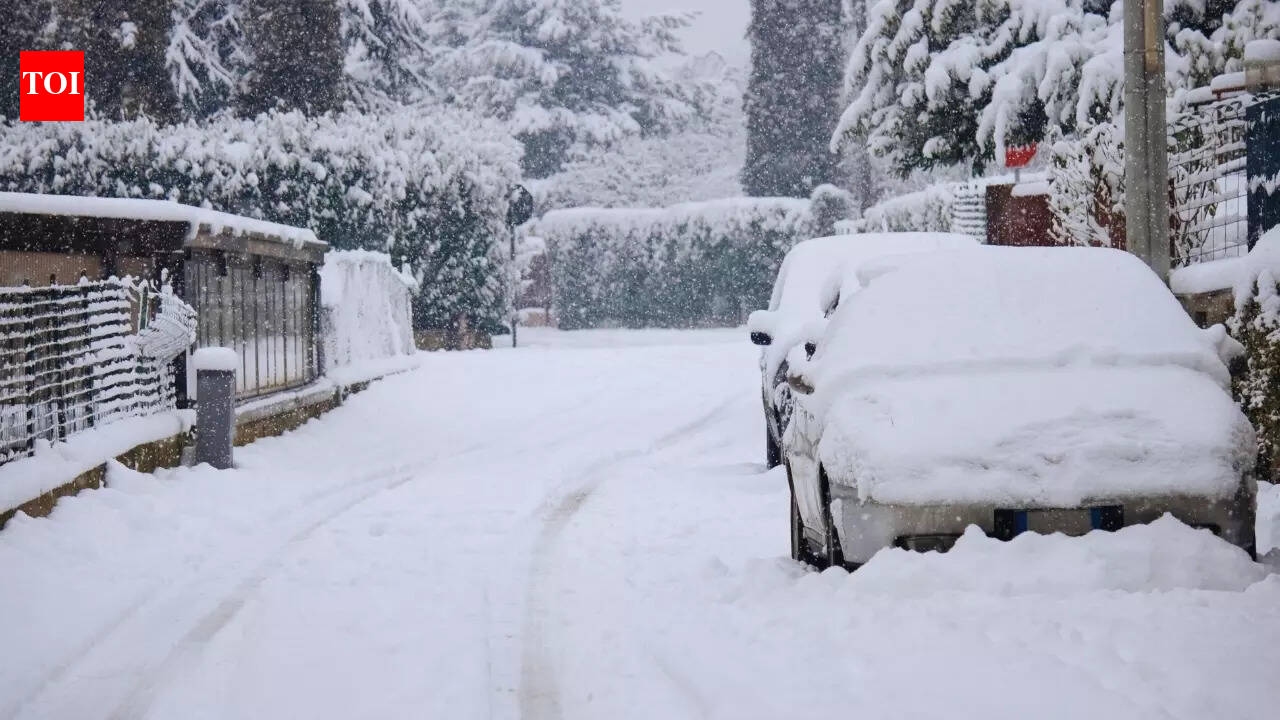
The forecast also points to a fresh western disturbance from January 26, bringing rain/snow, thunderstorms, gusty winds and possible hail across the western Himalayan region and adjoining plains, with peak activity around January 27–28. Sudden swings in temperature, dampness and wind can worsen discomfort and increase the chance of colds, bronchial irritation and asthma triggers in sensitive individuals.
Who should be extra careful
- Older adults and young children, who are more susceptible to hypothermia and respiratory irritation.
- People with asthma/COPD or heart conditions, for whom cold air and infection risk can be more serious.
- Outdoor workers and commuters exposed to early-morning fog and chill for long durations.
- Drivers and two-wheeler riders, due to higher accident risk in low visibility and wet roads.
Practical precautions for the next few days
- Limit early-morning outdoor exposure when fog is thick; schedule workouts and errands later in the day if possible.
- Layer clothing and keep extremities covered; damp cold can feel harsher than dry cold.
- If you have asthma/COPD, keep inhalers accessible and avoid smoke or open-fire exposure during cold spells.
- On the road, slow down, maintain longer braking distance and avoid sudden lane changes in fog or rain.
The same IMD advisory framing this weather as disruptive for travel also indirectly applies to health: when visibility drops and temperatures fall, preventive behaviour and planning reduce avoidable harm. Local administrations may issue additional guidance if conditions worsen around January 27–28.