Telangana: AC blast triggers hostel fire; six girls found unconscious and hospitalised in Medchal-Malkajgiri
A fire at a girls’ hostel in Telangana’s Medchal-Malkajgiri district early on January 25, 2026 was reportedly triggered by an air-conditioner blast linked to a short circuit. Six students in a room were found unconscious and shifted to hospital, underscoring ongoing safety concerns around electrical loads, maintenance and emergency preparedness in densely occupied hostels.
Early-morning fire and medical emergency
Six girls were found unconscious and taken to hospital after a fire broke out at a girls’ hostel in Telangana’s Medchal-Malkajgiri district early Sunday, January 25, 2026. The incident took place at a hostel identified as Nine Education, and initial information pointed to an air-conditioner blast caused by a short circuit.
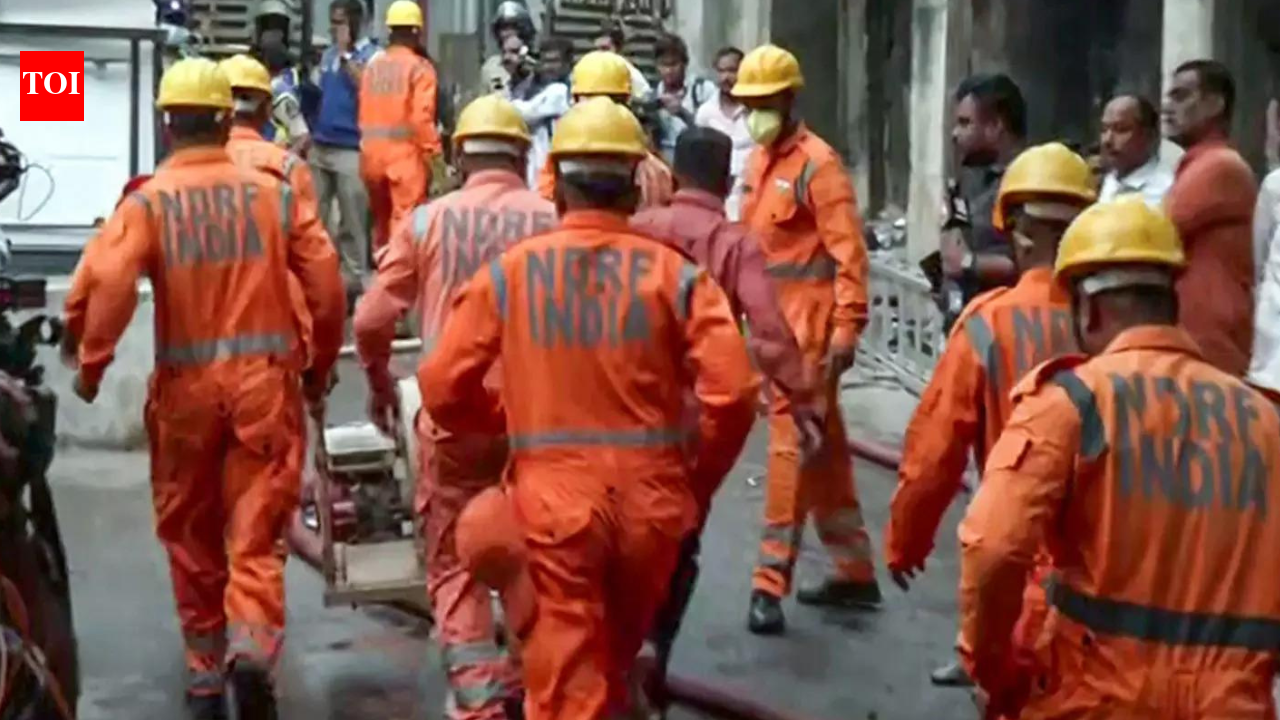
The fire was reported around the pre-dawn hours, when occupancy is high and escape routes can be crowded or blocked by panic. Emergency responders were alerted, and the students were shifted for medical treatment, with further details expected from officials as assessments continue.
Why hostel fires become high-risk quickly
Hostels are uniquely vulnerable to rapid escalation during fires because many residents are sleeping, visibility is low, and corridors can fill with smoke quickly. In electrical-fire scenarios, the hazard can intensify if the building has heavy power loads, ageing wiring, or devices running continuously during peak seasons.
In such incidents, smoke inhalation can become as dangerous as burns, particularly when residents attempt to evacuate through common stairwells. The report that students were found unconscious is consistent with the risks posed by smoke exposure in enclosed rooms.
What safety lessons typically follow
After fires in residential institutions, authorities and operators usually review electrical maintenance logs, load distribution, and compliance with basic safety measures such as accessible exits, functioning extinguishers, alarms, and evacuation drills.
As the affected students receive care, attention is likely to focus on the hostel’s safety systems, inspection routines, and whether residents and staff had clear guidance for rapid evacuation. The incident is a reminder that basic electrical safety and emergency readiness remain essential for high-density student housing.