Temperature swings drive cough-and-cold spike in Kolkata; doctors flag seasonal respiratory viruses
Hospitals in Kolkata have reported a rise in cough-and-cold cases as winter temperature fluctuations trigger respiratory infections. Doctors cited common seasonal viruses and urged symptom-based care and caution with antibiotics unless prescribed.
Kolkata sees higher cough-and-cold load amid winter variability
Hospitals in Kolkata are reporting an increase in cough-and-cold cases, with doctors linking the surge to temperature fluctuations during winter. The change in minimum temperatures has coincided with a rise in respiratory infections and related complaints.
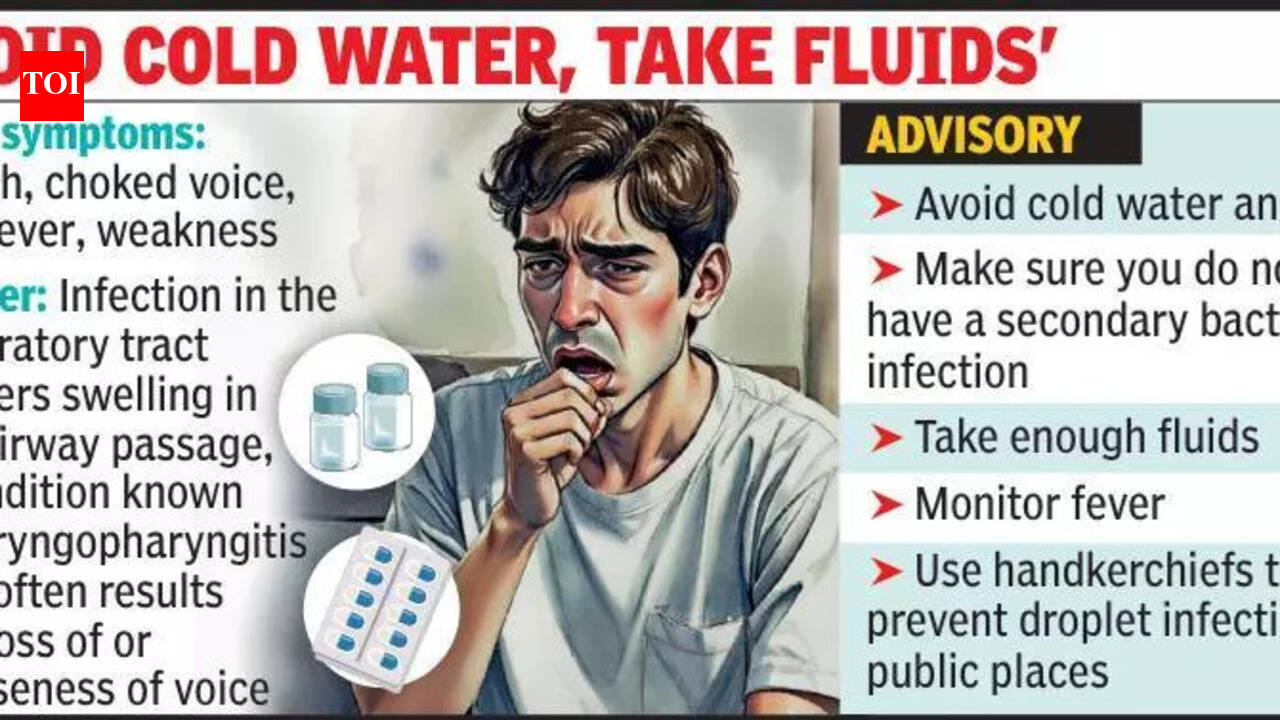
Clinicians noted that patients are arriving with symptoms such as persistent cough, chest congestion, fever and hoarseness, and that both outpatient and inpatient loads have climbed during the recent weather swings.
Which illnesses are being suspected
Doctors cited a set of seasonal respiratory viruses as likely drivers, including rhinovirus, metapneumovirus and respiratory syncytial virus. They also flagged that some bacterial infections can present with overlapping symptoms and may complicate cases in vulnerable patients.
The report also highlighted that patients with chronic respiratory conditions such as asthma and COPD are seeing flare-ups during winter, as pollution and cold air can worsen breathing and trigger inflammation.
What doctors are advising
Medical advice emphasised symptom-based care, adequate rest and protection from cold exposure. Clinicians cautioned against self-medicating with antibiotics unless a doctor specifically recommends them, as many common winter respiratory infections are viral and do not respond to antibiotics.
Patients with breathing difficulty, persistent high fever, or worsening symptoms—especially children, older adults and those with underlying lung disease—are being urged to seek timely medical evaluation.
Doctors expect the spike to ease once weather patterns stabilise, but warned that intermittent temperature swings can prolong the season’s respiratory illness cycle.