A year after Pune’s Guillain-Barré Syndrome outbreak, civic body still behind on water safety and hospital readiness
One year after Pune’s Guillain-Barré Syndrome outbreak—linked by investigations to contaminated water—gaps remain in water safety upgrades and clinical preparedness, with plans for better surveillance and testing still in progress and hospitals warning that early diagnosis and assured drug availability are crucial.
A year on, systemic gaps remain
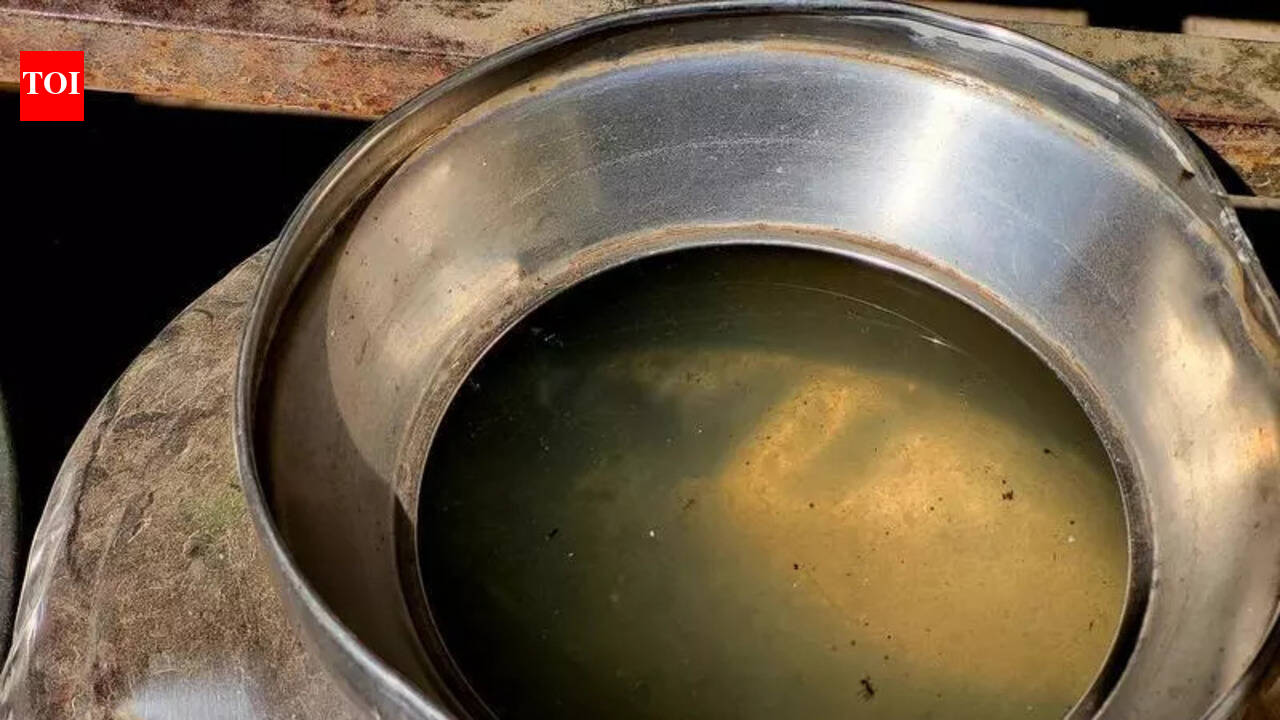
A year after Pune faced a severe Guillain-Barré Syndrome (GBS) outbreak, systemic shortcomings in water safety and healthcare readiness continue to worry residents and experts. Investigations have pointed to contaminated water as the likely trigger, yet the Pune Municipal Corporation (PMC) has not set up a dedicated water treatment plant in the affected areas, the report says.
The episode is being used as a benchmark for whether civic systems learn from public health shocks. The assessment in the report is that improvements have been partial: some measures are in place, but major structural fixes—especially those that require infrastructure, land clearance and sustained monitoring—have progressed slowly.
Water safety: automation improves, but testing gaps persist
PMC officials said chlorination automation has been rolled out across water treatment plants and that regular random water sampling is conducted, with testing done at the Parvati laboratory. However, the report notes an acknowledged gap: water samples from RO (reverse osmosis) suppliers are not currently tested by the civic body, despite RO water being commonly consumed in many neighbourhoods.
The civic body said it would invite tenders for accredited third-party laboratories to test water samples, and also flagged coordination with drainage and health departments to replace old sewage pipelines and expand testing in areas where water-borne disease indicators rise. The slow timeline matters because the suspected outbreak link to water contamination raises the stakes of routine monitoring and enforcement.
Hospitals: preparedness, ICU capacity and critical drug supply
The outbreak exposed hospital-side vulnerabilities: a surge of critically ill patients strained intensive care capacity, while shortages of intravenous immunoglobulin (IVIG) injections and delays in diagnostic testing complicated clinical response. The report notes that, in response, Jupiter Hospital in Baner has started a dedicated GBS clinic aimed at faster diagnosis, treatment and rehabilitation.
Experts stressed that early intervention is vital in GBS management and argued for central stocking of rare but critical drugs so hospitals and patients are not forced into last-minute searches during spikes. Activists described the post-outbreak period as a missed chance to strengthen healthcare systems in a way that would prevent repeat crises. The city’s planned Metropolitan Surveillance Unit is expected to strengthen monitoring, but the central issue remains execution speed and sustained readiness.