Ahead of Budget 2026-27, study urges higher public healthcare spending to curb inequality and rising costs
A study released ahead of India’s Union Budget 2026-27 argues for a sharper increase in public healthcare expenditure, warning that economic and social changes are pushing medical costs up and deepening inequalities in access to treatment.
Budget season puts healthcare funding in focus
With the Union Budget 2026-27 nearing, fresh academic research has revived an old but urgent debate: how much the state should spend on public healthcare, and how quickly that spending must rise to keep pace with changing needs. The report highlights a study that calls for a stronger increase in public health expenditure, arguing that the current trajectory risks widening gaps in access and affordability.
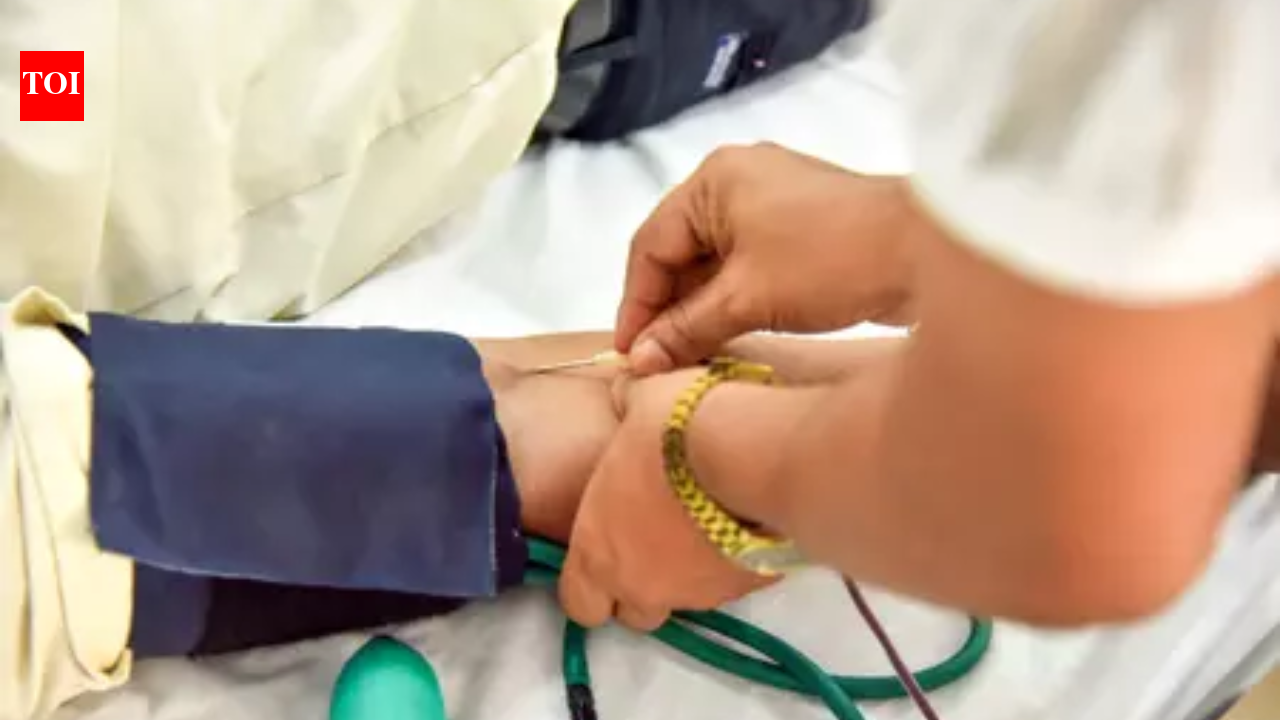
The core warning is that economic and social transformations are pushing medical costs higher while inequalities in treatment access deepen. In such a scenario, the study’s argument is that public spending is not only a welfare lever but also a structural requirement to prevent healthcare from becoming more exclusionary over time.
What the research examined
The cited research, published in December in the International Journal of Advanced Research, analyses national data over more than three decades (1991 to 2023). It looks at determinants of healthcare expenditure, including both overall per-capita spending and household out-of-pocket (OOP) payments, which are particularly important in India because OOP burdens can push families into financial stress during medical shocks.
The report summarises the study’s findings around variables such as per-capita income, education enrolment, urbanisation, inflation, life expectancy and per-capita health spending. The broad point is not that any single factor explains healthcare costs, but that the interplay of these factors creates long-term pressures that need policy response.
Industry voices seek policy support for access and innovation
The report also includes comments from industry leaders suggesting policy levers that could be considered in the Budget. These include improving access and affordability in advanced therapies, as well as proposals like rationalising GST on certain manufacturing inputs, considering import-duty relief, exploring insurance coverage for one-time curative therapies such as CAR-T, and improving regulatory clarity aligned with global standards.
There is also a call for support that accelerates India’s transition into an innovation hub through stronger R&D backing, AI-driven research platforms and incentives for integrated drug discovery. Put together, these inputs frame public health funding as connected to both patient outcomes and the broader life-sciences ecosystem.
- Study timeframe: 1991–2023 national data (as reported)
- Key concern: rising costs alongside inequality in access to treatment
- Policy direction: increase public healthcare expenditure in Budget 2026-27
- Additional asks: affordability measures and support for biotherapy, R&D and drug discovery
The debate isn’t only about how much to spend, but about whether higher public investment can reduce out-of-pocket pressure and make access less unequal as costs rise.
As Budget discussions intensify, the test will be whether the final allocations and reforms reflect this push for higher public spending and whether the policy choices translate into measurable improvements in access, quality and financial protection for households.