One year after Pune’s GBS crisis, gaps persist in water safety and hospital readiness, report says
A year after a major Guillain–Barré Syndrome (GBS) outbreak in Pune—linked by investigators to contaminated water—officials and activists say preparedness remains uneven. The civic body has improved chlorination automation and surveillance plans, but key issues like dedicated water treatment in affected areas and hospital surge readiness remain concerns.
A warning from the past year’s outbreak
A year after Pune faced a severe Guillain–Barré Syndrome (GBS) outbreak, a fresh report indicates that improvements in water safety and hospital preparedness have been limited, despite the scale of the earlier crisis. Investigations had pointed to contaminated water as a probable trigger, putting municipal water management and disease surveillance under scrutiny.
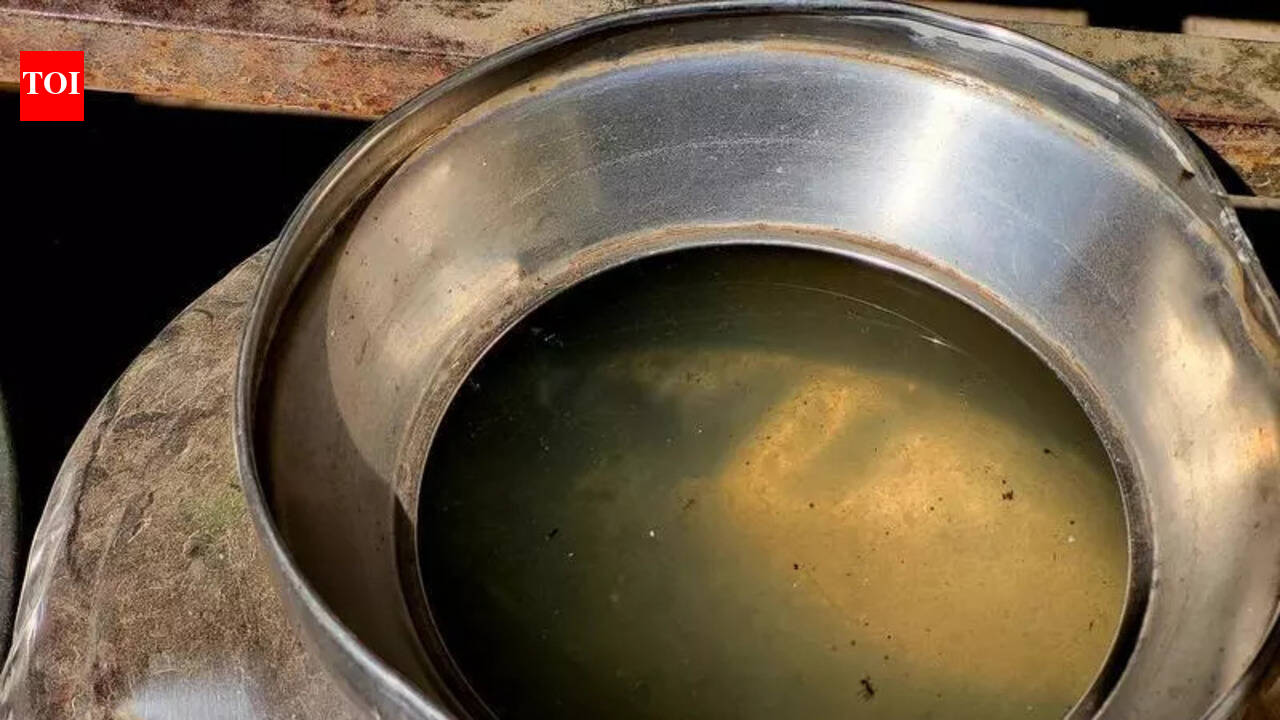
Officials say some measures have been implemented, including automation of chlorination across water treatment plants and routine random sampling tested at a civic laboratory. However, the report highlights that a dedicated water treatment facility in the affected areas has still not been set up, with delays linked to pending land clearance.
Testing gaps and surveillance promises
One continuing concern is water oversight beyond the municipal pipeline. While the civic body conducts sampling, water from RO suppliers is not currently being tested by the corporation, according to the report. Officials have said tenders may be invited to enable testing through accredited third-party laboratories, and that coordination is ongoing to replace ageing sewage pipelines and expand monitoring in areas where water-borne diseases show an uptick.
On the health system side, the municipal administration says it is onboarding more private hospitals to report unusual rises in communicable diseases. The planned Metropolitan Surveillance Unit is expected to strengthen monitoring, but the report suggests that the city is still catching up to what the previous outbreak exposed.
Hospitals recall ICU pressure and IVIG shortages
The GBS episode strained hospitals with a surge of critically ill patients, and the report notes persistent worries around intensive-care capacity, diagnostic delays and access to intravenous immunoglobulin (IVIG), a key treatment. Clinicians quoted in the report argue that in rare-but-high-impact situations, governments should consider central stockpiling of critical drugs so facilities are not forced into last-minute sourcing.
In response, at least one private hospital has launched a specialised GBS clinic intended to streamline early detection, treatment and rehabilitation. Activists, however, describe the aftermath as a missed opportunity—warning that without stronger water safeguards and better surge planning, future outbreaks could again expose the same weak links.