One year after Pune’s GBS outbreak, civic body still short on water safety; hospitals push faster diagnosis and drug readiness
A report says Pune’s municipal systems and hospitals have made only limited progress a year after a Guillain-Barré Syndrome outbreak believed to be linked to contaminated water. Key gaps cited include the absence of a dedicated treatment plant in affected areas and continuing concerns about ICU capacity, diagnostics and access to IVIG, even as a private hospital launches a specialised clinic.
Limited lessons absorbed after a major outbreak
A year after Pune faced a serious Guillain-Barré Syndrome (GBS) outbreak that investigations reportedly linked to contaminated water, the city’s preparedness remains uneven, according to a report. It says systemic shortcomings persist across both civic infrastructure and the clinical response chain, raising worries about whether the city would cope better if a similar surge returns.
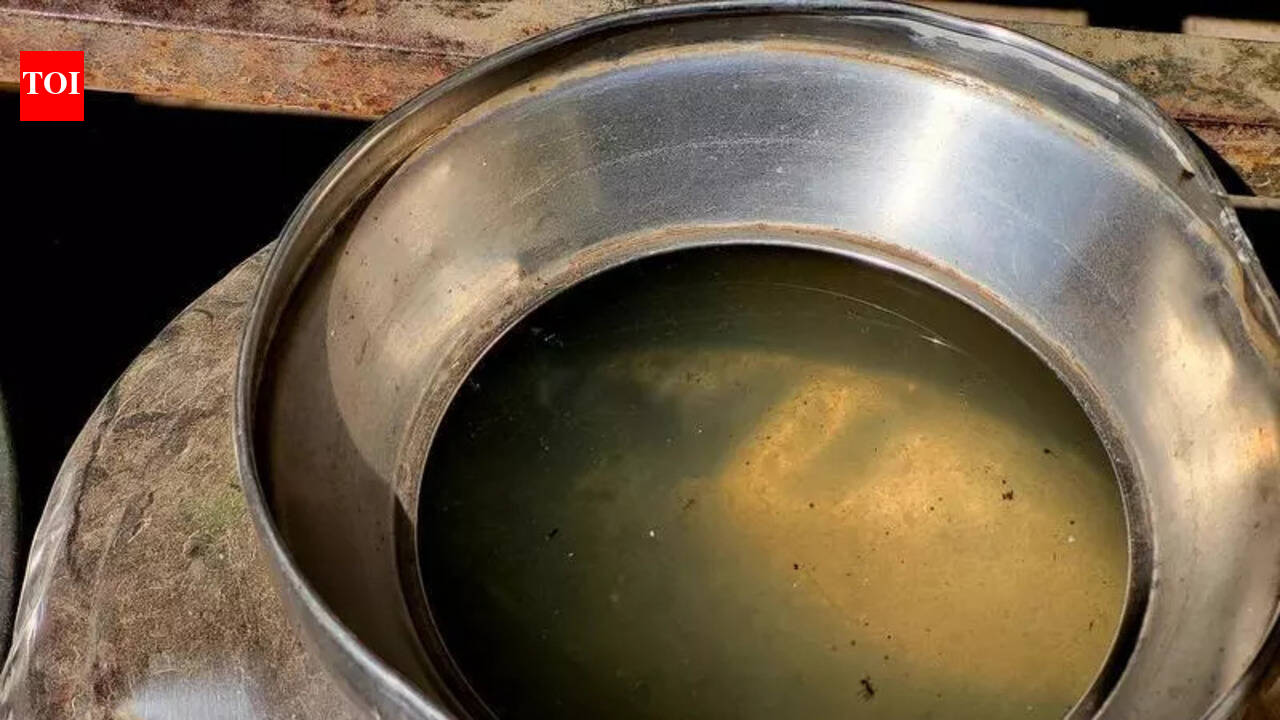
The report highlights that the Pune Municipal Corporation (PMC) has not yet established a dedicated water treatment facility in the affected areas, despite the outbreak’s presumed link to water contamination. While some steps have been taken, they are described as incomplete or still in progress.
Water safety: automation helps, but testing gaps remain
According to the report, chlorination automation has been rolled out across water treatment plants and regular random water sampling is being conducted and tested at a civic laboratory. However, it says water sourced from RO suppliers is not currently being tested by the civic body, and PMC plans to invite tenders to enable third-party testing through accredited laboratories.
The story also notes coordination efforts to replace old sewage pipelines and to improve disease monitoring via an upcoming Metropolitan Surveillance Unit, suggesting a recognition that water-borne risks can turn into high-burden neurological complications when early warning systems fail.
Hospital readiness: ICU, diagnostics and IVIG availability
On the healthcare side, the report recalls that the earlier outbreak exposed shortages in ICU beds, delays in diagnostic testing and challenges in sourcing intravenous immunoglobulin (IVIG), a key therapy for many severe GBS cases. These constraints can be decisive because outcomes often depend on rapid diagnosis and timely initiation of treatment.
In response, Jupiter Hospital in Baner has launched a dedicated GBS clinic aimed at quicker diagnosis, treatment and rehabilitation. The report also carries the broader argument that governments may need to centrally stock rare but critical drugs so hospitals and patients are not forced into last-minute, high-cost searches during outbreaks.