Manpreet Singh nears India’s all-time men’s hockey caps record, but selection uncertainty clouds milestone
Indian hockey midfielder Manpreet Singh is two matches away from surpassing Dilip Tirkey’s long-standing national record of 412 international appearances. However, with selection debates ahead of upcoming fixtures, the landmark could arrive amid uncertainty rather than celebration.
A record within reach: 411 caps and counting
India’s long-serving hockey midfielder Manpreet Singh is on the verge of becoming the most-capped men’s player in the country’s history. The 33-year-old has 411 international appearances and needs two more matches to surpass Dilip Tirkey’s long-standing record of 412 caps.
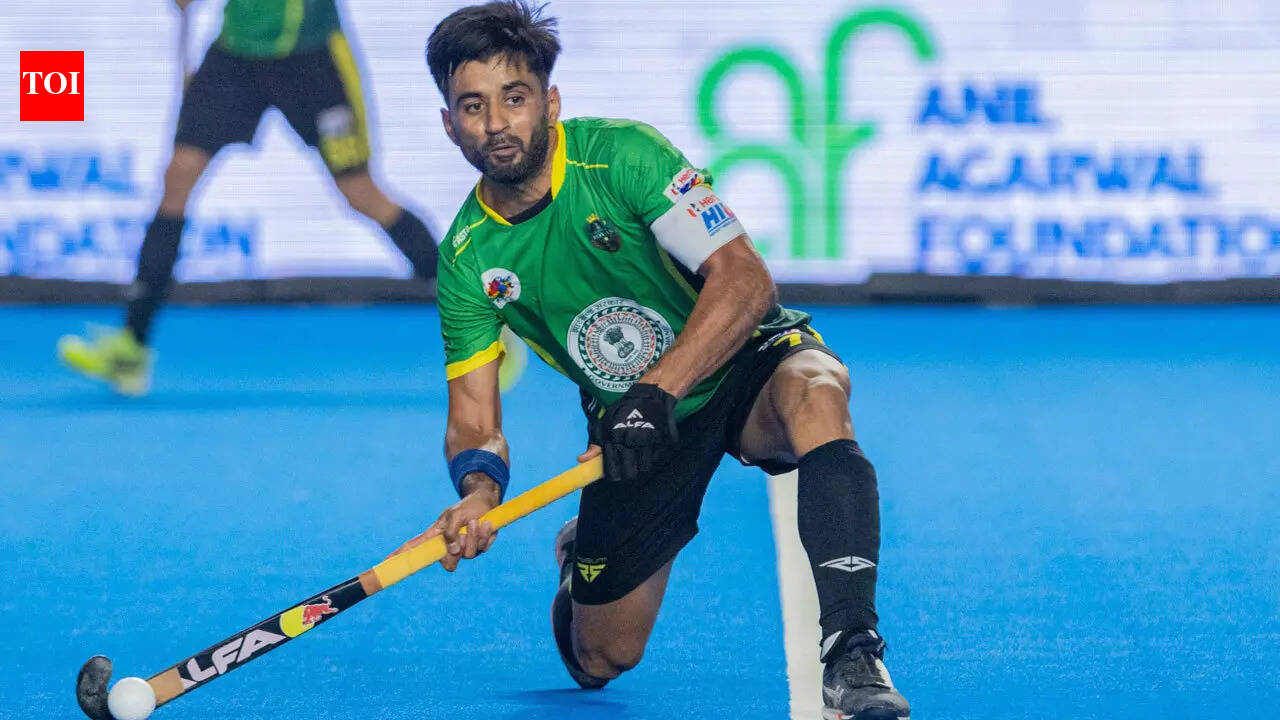
Such milestones are typically framed as national-team celebrations, especially for players who have spanned eras and transitions. Manpreet has been a key figure through a period often described as part of India’s modern resurgence in hockey, which gives the impending record added resonance for fans and teammates.
Why the milestone is being discussed alongside uncertainty
The narrative around the record, however, is not purely commemorative. As reported, there is growing talk in hockey circles that Manpreet may not be selected for upcoming Pro League matches in Rourkela. That possibility has introduced tension: the record is close enough to be imminent, yet it may also become dependent on selection choices rather than inevitability.
In high-performance sport, selection uncertainty often reflects a wider transition—balancing experience and leadership against form, fitness, and the integration of younger players. When a player is this close to a national record, those trade-offs become unusually visible and politically sensitive within sporting systems.
What the caps record represents in Indian hockey
A national caps record is not merely a number; it is a proxy for durability, trust over time, and the ability to stay relevant through coaching changes, tactical evolutions, and competition cycles. If Manpreet breaks the record, it would formalise his status as a generational figure in Indian hockey’s recent timeline.
The coming weeks could therefore deliver two outcomes at once: a historic personal achievement and a public signal about where the team management sees its next phase heading. Whether the milestone arrives as a celebratory moment or a contested one will depend on how selection decisions unfold.