ICC replaces Bangladesh with Scotland for Men’s T20 World Cup 2026 after schedule dispute
The ICC announced Scotland will replace Bangladesh at the Men’s T20 World Cup 2026 after the Bangladesh Cricket Board refused to participate under the published match schedule, following disagreements over venue and security concerns.
Bangladesh exit confirmed; Scotland added as replacement
The International Cricket Council (ICC) has confirmed that Scotland will replace Bangladesh in the ICC Men’s T20 World Cup 2026, after the Bangladesh Cricket Board (BCB) refused to participate according to the tournament’s published match schedule. The decision, announced via an ICC media release, reshapes the final tournament lineup just weeks before the event begins.
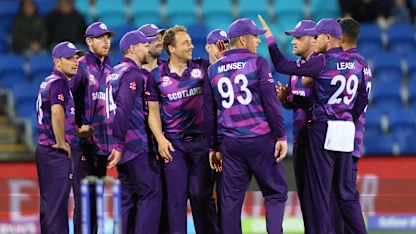
The Men’s T20 World Cup 2026 is scheduled to be co-hosted by India and Sri Lanka from 7 February to 8 March. The ICC said Scotland were chosen as the replacement because they were the highest-ranked T20I side that did not originally qualify for the tournament.
ICC cites security assessments and refusal to move fixtures
According to the ICC statement, the dispute centred on Bangladesh’s demand to move its matches from India to Sri Lanka. The ICC said that, after reviewing concerns and commissioning independent security assessments, it found no “credible or verifiable” security threat to the Bangladesh team, officials or supporters in India.
The ICC also said it was not appropriate to amend the published schedule, emphasising the integrity of the tournament timetable and the implications for all participating teams and fans. It described a multi-week engagement process with the BCB, including multiple rounds of dialogue and sharing of security and operational plans.
Deadline missed, replacement process triggered
The ICC said the ICC Business Corporation (IBC) Board asked the BCB to confirm within a 24-hour timeframe whether Bangladesh would participate as scheduled. When no confirmation was received within the deadline, the ICC proceeded under its governance and qualification processes to identify a replacement team.
With Scotland stepping in late, focus now shifts to logistics, group-stage planning and team preparations. The episode also adds a political and administrative edge to the tournament build-up, as organisers seek to maintain confidence in scheduling, security and governance decisions ahead of the opener.