India launches multi-state ‘Operation Gang Bust’, detains hundreds in coordinated crackdown
A coordinated policing operation led by Delhi Police and involving multiple neighbouring states began on 13 January 2026, aiming to disrupt organised crime networks through raids, arrests and seizures across north India.
A synchronised crackdown across multiple states
Indian police forces led by Delhi Police launched a large, coordinated enforcement drive titled “Operation Gang Bust” starting 13 January 2026, spanning Delhi and several neighbouring states. The stated objective was to hit organised crime and habitual offenders through simultaneous action, reducing the ability of gangs to shift bases across state lines to evade law enforcement.
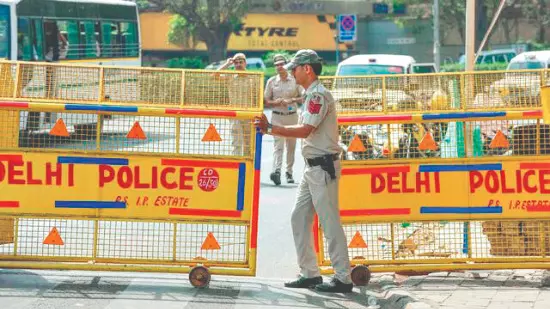
According to details published about the operation, multiple state police units participated, with the action described as a time-bound push involving thousands of personnel deployed in parallel across districts. Authorities framed the drive as a response to persistent cross-border criminal movement, including extortion, arms-related offences, and gang-linked violence.
Arrests, questioning and seizures
The operation was reported to have resulted in hundreds of detentions and arrests, including suspects categorised as known gang members. Reports linked to the operation also mention substantial questioning of suspects and seizures that included illegal arms and ammunition, along with cash recoveries, suggesting the action was intended not only to detain individuals but also to disrupt supply chains and financing.
Officials positioned the raids as an effort to map networks, identify repeat offenders, and gather intelligence that can support longer investigations. Such operations typically combine immediate arrests with follow-up scrutiny of communications, local facilitators, and routes used for illicit movement.
Why coordination matters in regional crime
For policing agencies, inter-state coordination is crucial because gangs often exploit jurisdictional gaps. A joint effort—when planned well—can make it harder for suspects to relocate between cities, hide assets, or rely on local safe houses. It also helps unify databases of offenders and standardise procedures for warrants, custody, and evidence handling.
The operation’s public messaging emphasised the scale of mobilisation and the intent to keep pressure on organised crime groups. While short, high-intensity crackdowns can produce visible results quickly, their longer-term impact generally depends on subsequent prosecutions, evidence quality, and sustained intelligence-led policing.
What comes next
- Follow-up investigations based on leads from raids and interrogations.
- Forensic examination of seized weapons and ammunition to link them to previous cases.
- Scrutiny of financial trails where cash seizures indicate wider funding networks.
- Coordination between police and prosecutors to convert arrests into charge sheets.
As reported, “Operation Gang Bust” is being portrayed as an ongoing, multi-agency push rather than a single-day action, signalling that authorities may continue coordinated raids and arrests as new information surfaces.