US envoys press Netanyahu to move talks into Gaza ceasefire’s second phase
Senior US envoys met Israel’s Prime Minister Benjamin Netanyahu to push for progress into the second phase of the Gaza ceasefire. Talks include the Rafah crossing, monitoring mechanisms, and questions around hostages and Israeli troop deployments.
Diplomatic push to extend the truce
Top US envoys met Israeli Prime Minister Benjamin Netanyahu, urging Israel to advance negotiations into the second phase of the Gaza ceasefire framework. The discussions come as mediators attempt to keep the truce from stalling and to transition from immediate, time-bound steps to a more structured phase involving borders, governance, and security arrangements.
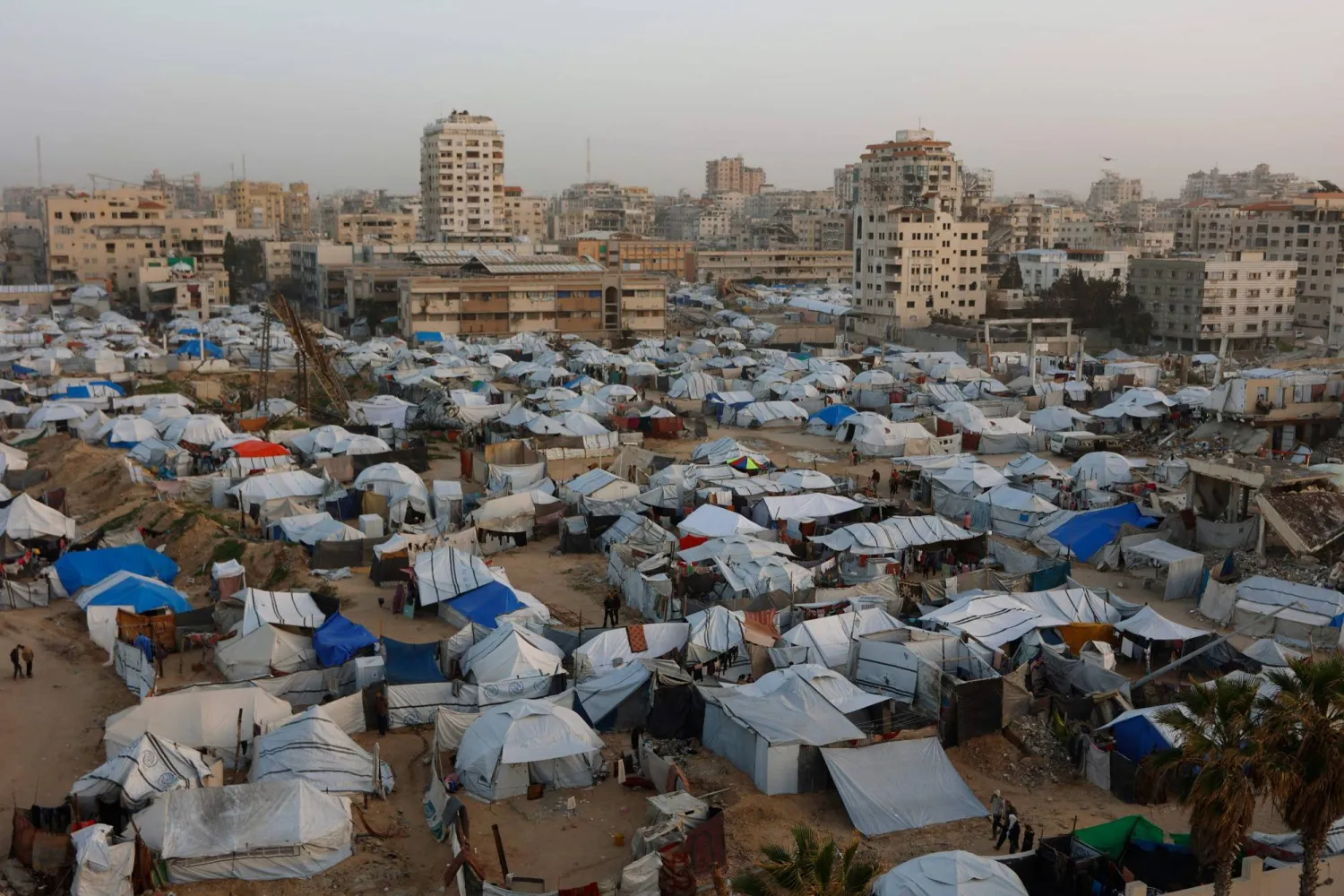
According to the report, the ceasefire process remains linked to hostage-related steps and to sensitive operational issues on the ground. The next phase is being discussed alongside plans that would affect movement in and out of Gaza, including the Rafah border crossing, which is a critical corridor for people and humanitarian supplies.
Rafah crossing, monitoring, and troop issues
One of the central themes is reopening Rafah, the crossing between Gaza and Egypt, and aligning that with security conditions, verification, and oversight. The report notes conversations involving Egyptian and international officials about the possibility of an international monitoring presence and the sequencing of Israeli troop redeployment or withdrawal from parts of the territory.
While announcements and expectations around Rafah have surfaced, the situation is fluid, and official confirmations can differ across parties. The broader question remains whether a second phase can lock in enforceable steps while preventing a return to large-scale fighting.
Humanitarian and security tensions continue
Even with a ceasefire structure in place, reports of deadly incidents have continued, underscoring how easily the truce can be disrupted. The article describes disputes over identities and circumstances in a reported strike, and references casualty figures cited by Gaza’s Health Ministry during the ceasefire period.
For the region, the second phase is seen as pivotal: it is where the ceasefire either becomes a pathway toward de-escalation with durable mechanisms, or collapses under unresolved disagreements about hostages, borders, and military posture.