India and EU finalise landmark trade deal, pledging sharp tariff cuts and wider market access
India and the European Union have reached a long-delayed trade agreement that aims to cut tariffs on most goods and broaden access for exporters on both sides, with the EU and India touting major duty savings and a push to expand bilateral trade.
A nearly two-decade negotiation ends with a major pact
India and the European Union on Tuesday, January 27, 2026, announced a landmark free trade agreement, ending negotiations that have run on and off for years and gathered speed again in recent months.
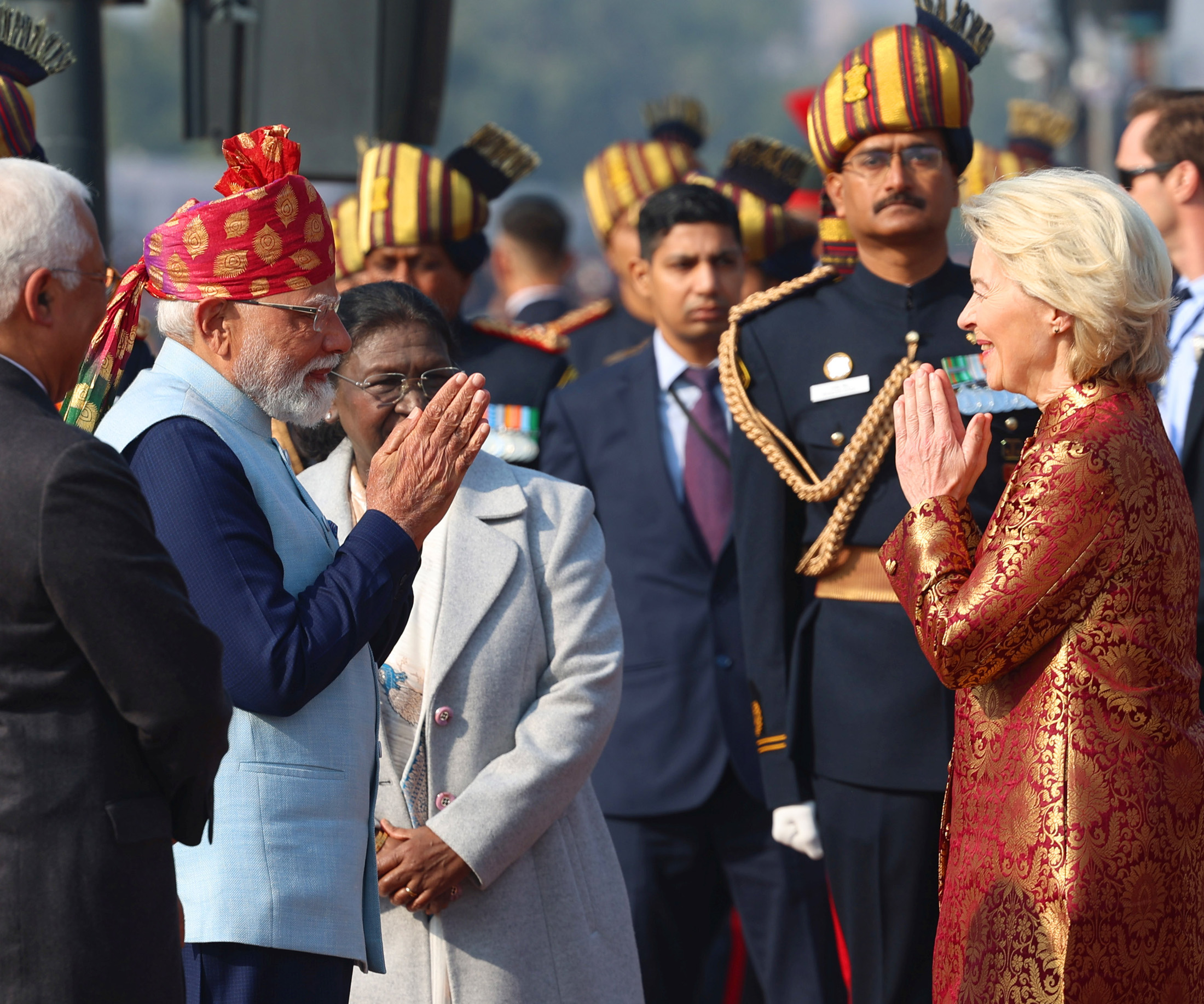
Reuters reported that the deal is designed to slash tariffs on most goods and deepen two-way trade, with both sides positioning the agreement as a strategic move in a world of heightened trade friction and shifting supply chains.
What the deal changes on tariffs
Key provisions include broad tariff reductions across traded goods, with the EU and India outlining large coverage of exports and phased timelines. According to Reuters, the EU will cut tariffs on 99.5% of goods imported from India over seven years, while India will reduce or eliminate duties on a large share of EU goods exports to India.
Autos are a headline category. Reuters cited sources and EU statements indicating India will sharply reduce car import tariffs over time, marking one of the most significant openings of India’s protected auto market for European brands.
Agriculture is a sensitive area, and Reuters noted that some agriculture-related items have been kept outside the deal’s scope—an approach that reflects domestic political sensitivities as well as negotiating trade-offs.
Why it matters for India and Europe
Beyond tariff math, the agreement is being framed as a growth and resilience play. The EU estimates that duty savings could be substantial for European firms, while India expects improved access for labour-intensive exports such as textiles and other manufactured products.
While the announcement signals political closure, implementation will still depend on legal vetting and formal procedures on both sides. Even so, the scale and breadth of this pact make it one of the most consequential India-EU economic decisions in years.