At Davos, Maharashtra CM Fadnavis defends MoUs, cites high FDI component; data centre investment pitch draws attention
At the World Economic Forum in Davos, Maharashtra Chief Minister Devendra Fadnavis defended the state’s practice of signing MoUs at the summit, saying each agreement carries a large foreign direct investment component. The discussion gained traction amid political criticism, while data-centre investments were highlighted as part of Maharashtra’s growth narrative.
Davos MoUs under political scrutiny
Maharashtra Chief Minister Devendra Fadnavis defended his government’s decision to sign investment memoranda of understanding (MoUs) at the World Economic Forum (WEF) in Davos, arguing that the agreements are materially backed by foreign direct investment (FDI) even when Indian firms appear on the paperwork.
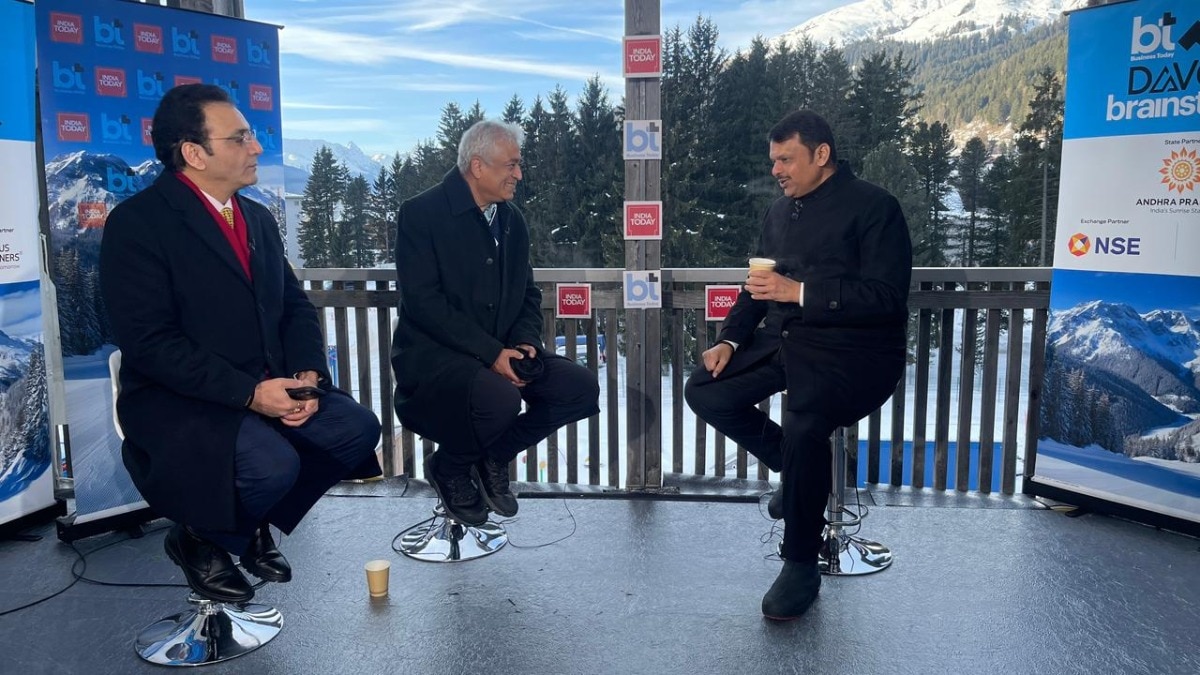
The defence came amid criticism from opposition voices questioning why deals involving Indian companies are being signed overseas. Fadnavis’ response was that modern capital structures often involve domestic partners collaborating with foreign funds, and that the summit setting helps close discussions because global decision-makers are present in one place.
FDI component and how deals are structured
Fadnavis said the MoUs signed at Davos typically have a high share of FDI, presenting this as the key justification for using an international forum. In his account, Indian companies frequently act as local partners while foreign investors bring a significant portion of project capital.
This argument reframes the criticism: the state is not simply “Indian companies meeting Indian companies”, but rather using Indian firms as execution and market partners to mobilise foreign funding into projects that would otherwise take longer to aggregate domestically.
Why data centres and infrastructure keep coming up
One of the big-ticket themes discussed around the summit has been data-centre capacity and digital infrastructure—segments that require large upfront capital and long-term planning, and therefore often rely on global pools of funding.
For Maharashtra, the political challenge is to show that MoUs translate into real projects, jobs, and contracted spending on the ground. For the market, the question is execution speed: land, power availability, and approvals determine whether data-centre ambitions turn into operating facilities.
As Davos season concludes, the next test will be follow-through—timelines, investment conversions, and the transparency with which states report what becomes operational versus what remains a commitment.