Indian rupee hits 92 per US dollar: why it’s sliding and what it changes for consumers and firms
The rupee has weakened sharply, touching 92 per US dollar as of 23 January 2026, raising the cost of imports like crude oil and electronics. While exporters may see some benefit, the broader concern is higher inflationary pressure and costlier overseas spending.
Rupee at 92: what the move signals
India’s rupee has slipped to 92 against the US dollar, with reports noting the level as of 23 January 2026. A weaker currency tends to make imported goods more expensive and can push up costs for businesses that rely on foreign inputs.
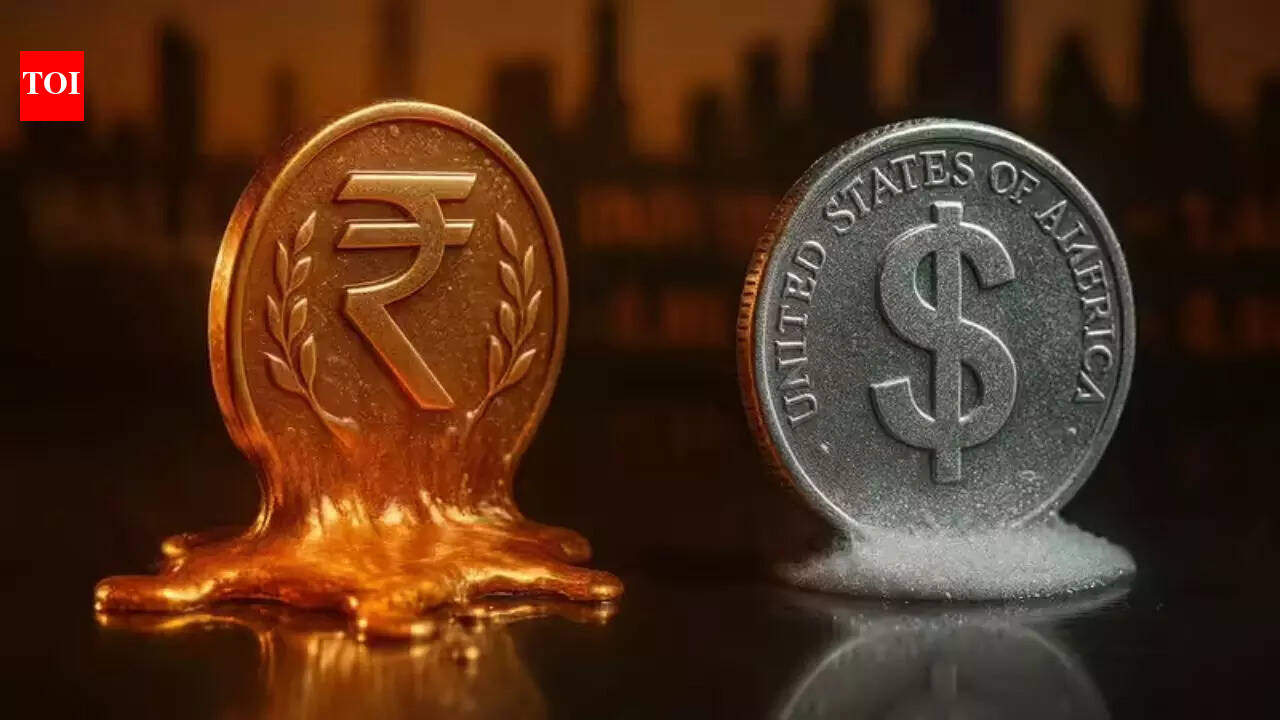
For households, depreciation usually shows up through higher prices in categories linked to imports—directly or indirectly—such as fuel, electronics, and certain food and commodity-linked items.
Who feels the pain first
Import-heavy sectors typically feel immediate pressure. Crude oil is the headline exposure because petroleum products influence transport, logistics and a wide range of retail prices. Companies importing components and capital equipment may see margins squeezed unless they raise prices or hedge currency risk.
Individuals paying in dollars—international travellers, students abroad, and families sending overseas remittances—also see costs rise as the exchange rate worsens.
Who might benefit
Exporters can gain because their dollar earnings convert into more rupees, potentially improving revenue realisation. However, the benefit is uneven: exporters who import a significant share of raw materials or components may lose some advantage as their input costs rise.
The inflation trade-off
Currency weakness can add to inflationary pressure by raising import bills, particularly for energy. That, in turn, can influence monetary policy choices and corporate pricing decisions, depending on how persistent the depreciation is.
For now, the key watchpoints are whether the rupee stabilises, how global risk sentiment evolves, and how commodity prices—especially oil—move alongside the exchange rate.