India and EU conclude talks on landmark free trade agreement, announcement expected on 27 January 2026
India and the European Union have concluded negotiations for a long-awaited free trade agreement, with a formal announcement expected at the EU–India Summit on 27 January 2026. The deal is being pitched as a major milestone for bilateral trade and strategic cooperation.
A long negotiation cycle reaches the finish line
India and the European Union have concluded negotiations for a landmark free trade agreement, with officials indicating that the formal announcement is expected on Tuesday, 27 January 2026, at the EU–India Summit in New Delhi. The development signals an end to a prolonged negotiating phase that has repeatedly slowed due to differences over market access, standards, and the political economy of sensitive sectors.
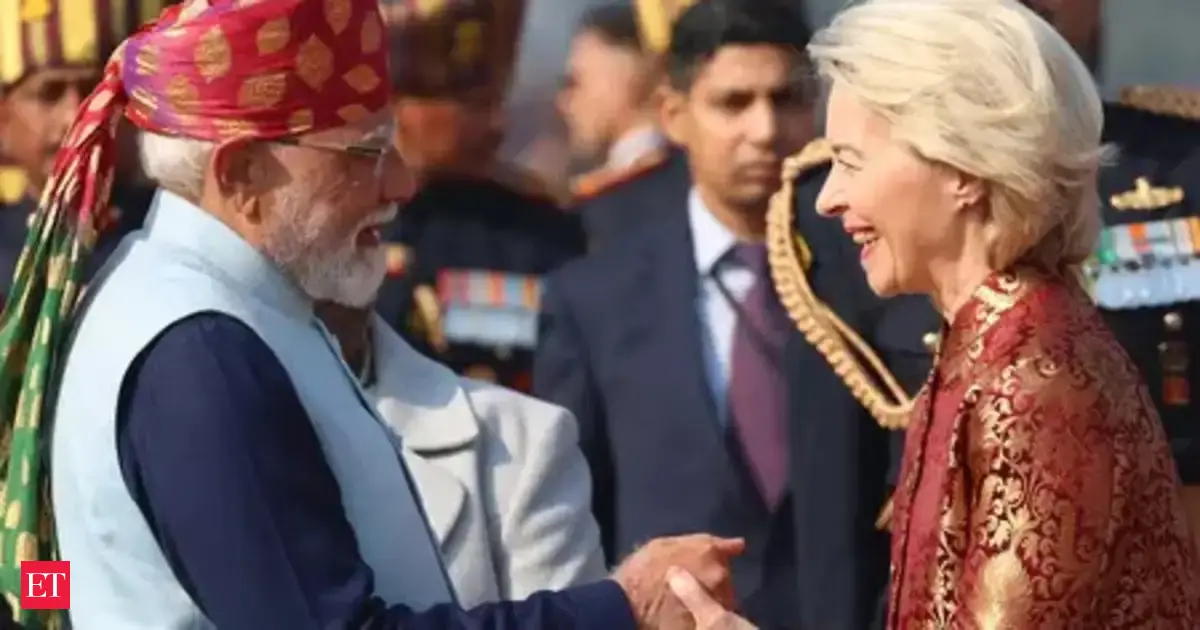
For both sides, the timing is strategic. India is trying to expand export opportunities and attract investment while reshaping supply chains. The EU, meanwhile, is looking to diversify economic partnerships and secure reliable routes for trade, technology cooperation and critical inputs in an era of geopolitical competition.
Why the deal matters for firms and consumers
A comprehensive India–EU trade agreement can influence tariffs, services access and regulatory alignment, affecting sectors ranging from manufacturing and auto components to pharmaceuticals, IT services and green technologies. For Indian exporters, lower barriers in a large European market can translate into scale and predictability; for European companies, stronger rules and clearer access can unlock consumer demand across India’s fast-growing middle class.
- Trade expansion: the agreement is expected to widen bilateral flows by reducing friction and creating clearer operating rules.
- Investment confidence: completion of negotiations often improves corporate planning and long-term capital decisions.
- Strategic signalling: the deal also positions both sides as partners in a rules-based trade architecture amid global fragmentation.
If the summit confirms the text and timelines, 27 January 2026 could mark a structural reset in India–EU economic engagement.
The next phase will test implementation capacity and political durability. Trade agreements deliver benefits only when businesses understand the new rules, compliance systems are upgraded, and disputes are handled predictably. Much will depend on the specific tariff schedules and sectoral provisions that are ultimately made public.
Still, the conclusion of talks itself is a major signal: the two sides are aligning their economic relationship with strategic aims, not merely commercial convenience. The summit announcement on 27 January 2026 will clarify how quickly that alignment turns into enforceable, on-ground change.