Markets in January: Sensex, Nifty down over 4% amid FPI selling, rupee weakness and global risk-off mood
India’s benchmark indices Sensex and Nifty have fallen more than 4% in January 2026, pressured by foreign portfolio investor outflows, a weakening rupee, muted earnings and renewed global tariff worries. Analysts say the pre-Budget pattern often sees selling followed by a rebound post-Republic Day, but uncertainty remains elevated.
A weak January for Indian equities
Indian equities have started 2026 on a soft note, with the Sensex and Nifty sliding more than 4% in January amid a combination of domestic and global pressures. Market data shows sustained foreign portfolio investor (FPI) outflows, rupee weakness, and muted corporate earnings have weighed on sentiment at a time when investors are also monitoring geopolitical developments and fresh tariff-related concerns globally.
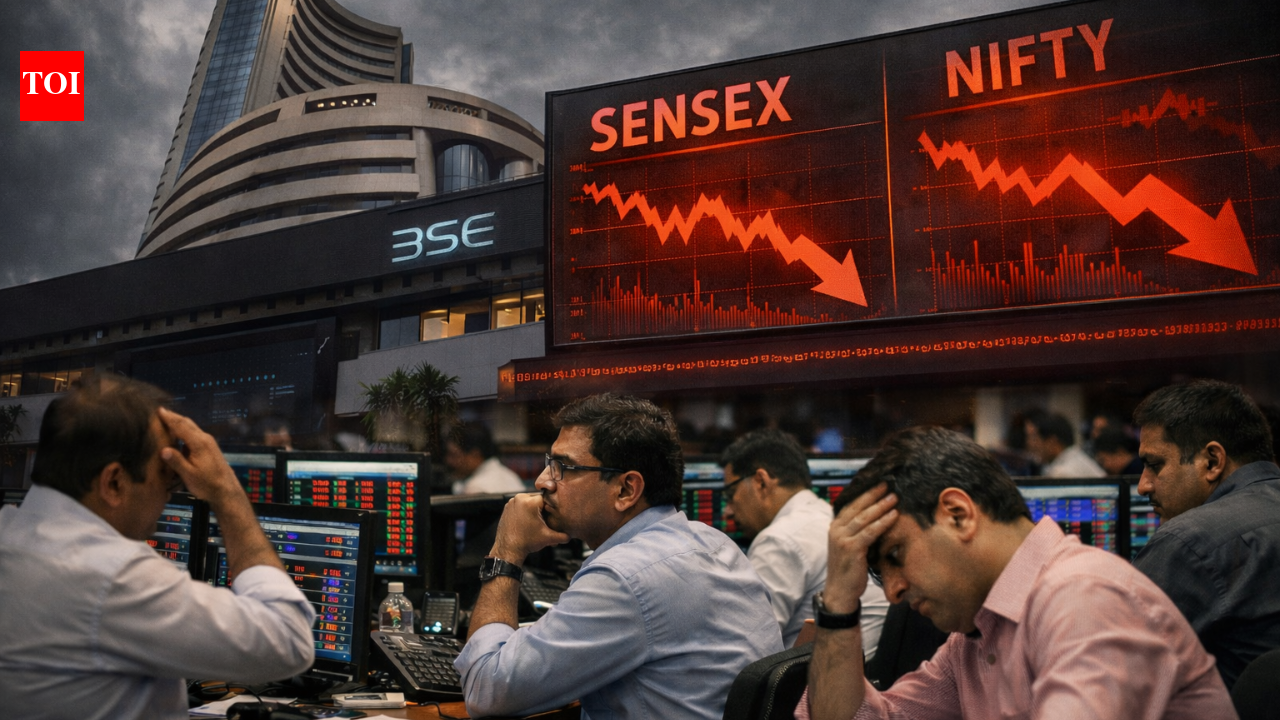
The monthly fall has revived a familiar seasonal discussion: January has often been a difficult month for equities, and some strategists argue pre-Budget nervousness can peak before conditions stabilise. However, investors are balancing hopes for a pattern-based recovery against the reality of a global “risk-off” mood that can tighten liquidity and reduce appetite for emerging-market exposure.
Key drivers: FPIs, currency, earnings and global factors
The selling pressure has been linked to aggressive FPI selling during the month, alongside rupee weakness and concerns about the earnings trajectory of heavyweight sectors. Analysts have also pointed to elevated crude prices and rising global bond yields as additional factors fuelling risk aversion, as higher yields can pull capital into safer assets and raise the hurdle rate for equities.
Corporate results have offered mixed signals, and disappointments in select large names across IT, banking and consumption-linked segments have further dampened optimism. With several macro variables moving at once, traders have tended to reduce leverage and rotate defensively rather than take large directional bets.
All eyes on Budget 2026-27 for a policy signal
The next major domestic catalyst is the Union Budget 2026-27, with investors watching for how the government balances growth support with fiscal discipline. Some market participants believe a clearer policy roadmap could stabilise expectations and encourage selective buying, but the timing and scale of any rebound will still depend on global risk sentiment and the pace of foreign flows.
For now, the broad message from the January tape is caution: weaker indices, higher sensitivity to global headlines, and a market looking for a credible trigger—either from policy, earnings upgrades or a turn in foreign risk appetite.