RBI holds repo rate at 5.5%, keeps FY26 growth view at 6.5% amid tariff and global uncertainty
The Reserve Bank of India kept the policy repo rate unchanged at 5.5% and maintained its FY26 GDP growth forecast at 6.5%, while flagging uncertainty around external demand and global volatility. The central bank also outlined a more benign inflation outlook, with quarterly risks tied to weather and base effects.
Policy stance: rates unchanged
The Reserve Bank of India has kept the repo rate unchanged at 5.5%, signalling a preference for continuity as it weighs domestic inflation dynamics against global headwinds. The decision comes at a time when markets are tracking trade-policy risk, geopolitical uncertainty and financial-market volatility for their potential spillover into India’s growth and price outlook.
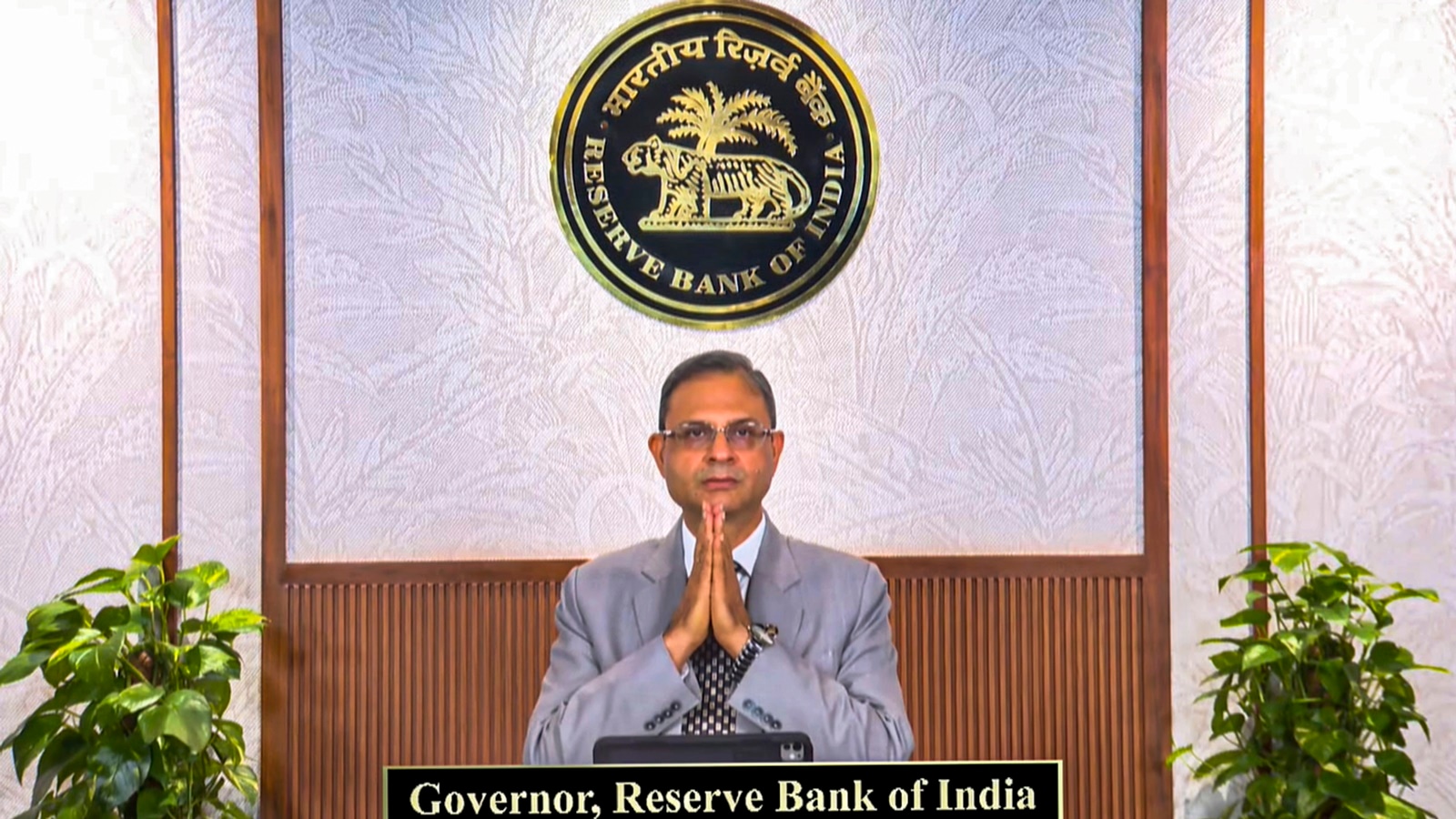
Alongside the rate decision, the RBI retained its FY26 GDP growth projection at 6.5%. The central bank noted that prospects for external demand remain uncertain amid tariff announcements and ongoing negotiations, while prolonged geopolitical tensions and volatility in global financial markets continue to pose risks.
Inflation outlook and key risks
On inflation, the RBI indicated the outlook for 2025–26 has turned more benign than earlier expected, while still highlighting the possibility of weather-related shocks. The central bank’s quarterly CPI path, as reported, factors in base effects and policy-driven demand conditions that could lead to faster retail price increases in later quarters, even as near-term conditions look more comfortable.
For businesses, the message is two-fold: borrowing costs may remain stable in the near term, but planning assumptions should still include possible volatility from global trade developments. For households, the decision implies a cautious approach by the central bank that prioritises medium-term stability while leaving space to respond if inflation or growth conditions shift materially.
- Repo rate held at 5.5%
- FY26 GDP growth forecast retained at 6.5%
- External demand uncertainty linked to tariff actions and negotiations
- Inflation risks include weather shocks and base effects