Sensex and Nifty sink over 4% in January as FPIs sell, rupee weakens and global risks rise
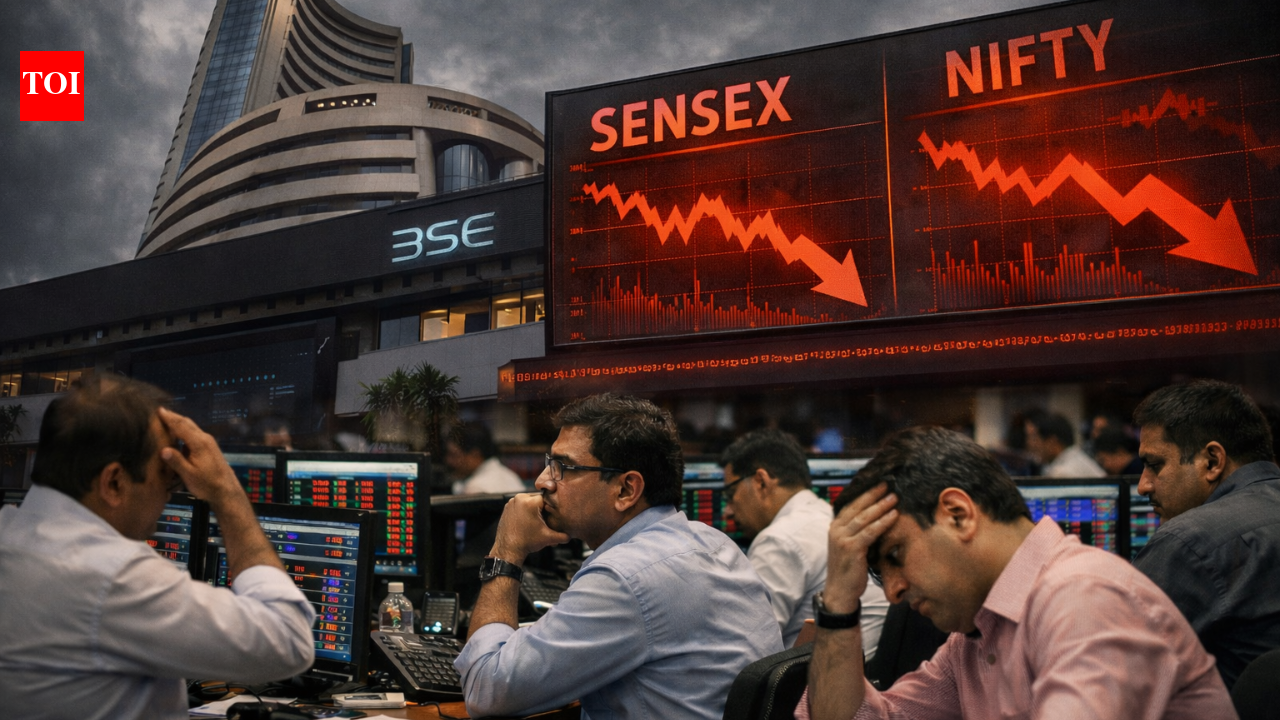
Indian equity benchmarks Sensex and Nifty fell more than 4% in January 2026 amid foreign portfolio selling, a weakening rupee, softer earnings sentiment and elevated global uncertainty—keeping markets cautious ahead of Budget season expectations.
A rough January for Indian equities
India’s benchmark indices extended their January slump, with the BSE Sensex and NSE Nifty down more than 4% for the month, as investors weighed persistent foreign portfolio investor (FPI) outflows, a softer rupee, and a more cautious tone around corporate earnings.
Market participants also pointed to a global risk-off mood that has made emerging-market flows more volatile. Concerns around geopolitics, tariff-related headlines and higher global yields have added pressure, amplifying day-to-day swings and reducing appetite for high-beta sectors.
Rupee weakness adds to the pressure
A key macro factor has been the rupee’s slide. With the currency under stress, imported inflation risks and capital-flow sensitivity come back into focus—especially for companies with higher dollar-linked costs or for portfolios that rebalance based on currency-adjusted returns.
Investors are also monitoring how crude prices and global bond yields interact with domestic liquidity and the cost of capital. Even without a single “shock” event, these variables can compound into a sustained period of weaker risk sentiment.
Budget expectations: hope for a reversal, but caution remains
Strategists noted that January sometimes shows a pre-Budget dip followed by a recovery as policy expectations build. This time, however, analysts say a rebound will depend on both domestic cues—earnings clarity and growth signals—and external conditions, including risk appetite for emerging markets and the direction of global rates.
- FPI flow trend: whether selling slows or extends into February
- Earnings commentary: margin outlook in IT, financials and consumer segments
- Currency and oil: impact on inflation expectations and policy room
- Budget positioning: growth support versus fiscal consolidation balance
For now, the market’s message is straightforward: investors are demanding clearer visibility on both macro stability and profit growth before rebuilding risk exposure.