India-EU free trade agreement sealed: car tariffs to fall sharply under phased plan, sensitive sectors protected
India and the EU have concluded a long-pending free trade agreement, with broad tariff liberalisation and a major phased reduction in duties on imported European cars, while protecting select sensitive categories.
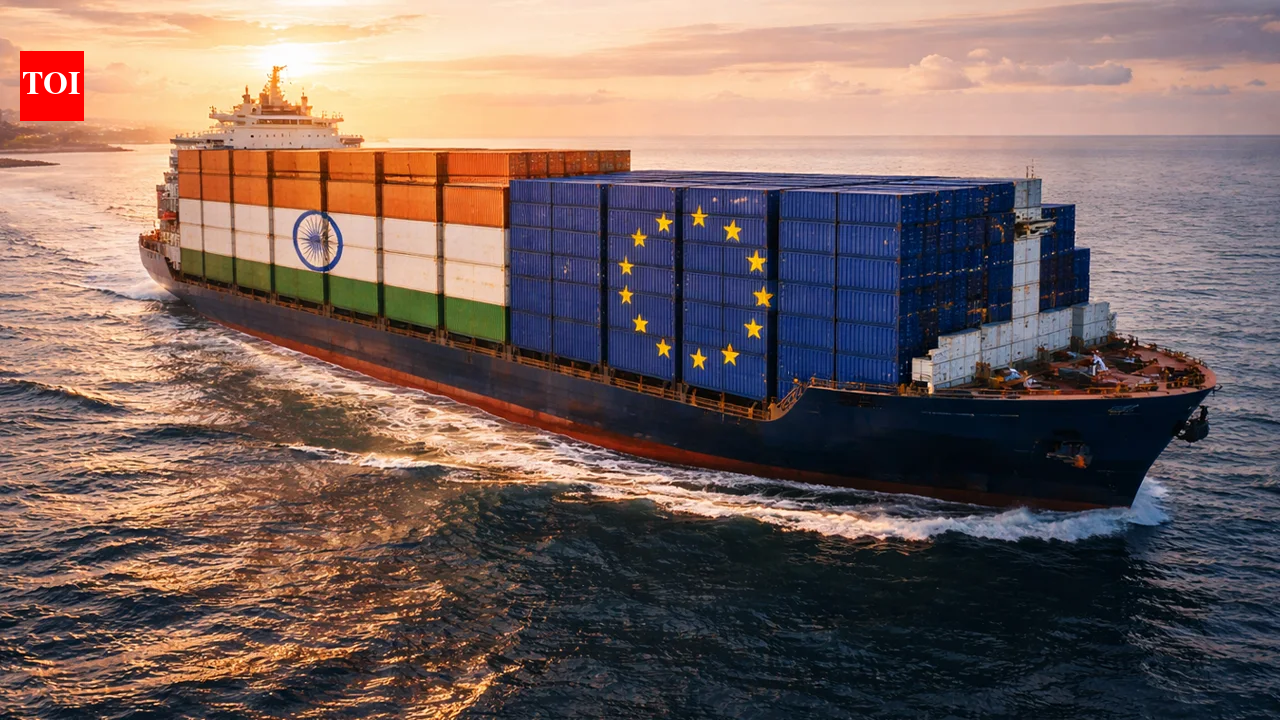
India and the European Union have concluded a landmark free trade agreement after years of intermittent negotiations, a deal that both sides are presenting as a major economic and strategic reset. Reports on January 27, 2026, say the agreement will progressively make a very large share of bilateral trade tariff-free over time, while still ring-fencing select sensitive areas that governments want to protect from sudden import competition.
The headline consumer-facing change is the plan to cut India’s steep tariffs on imported European cars. Under the reported structure, the duty is expected to reduce sharply over a phased period, with mechanisms such as quotas and staging schedules shaping how quickly price effects reach showrooms. The reduction is being watched closely because fully built imported cars currently face among the highest duties, which significantly inflate retail prices in India.
For industry, the significance goes beyond cars. The agreement is also expected to reduce duties on multiple categories of industrial goods and inputs over time, which can change cost structures for manufacturing and supply chains. In parallel, Indian exporters anticipate better access in categories where India is competitive, including labour-intensive goods and high-value segments such as pharmaceuticals and gems, depending on the final schedules and compliance rules.
At the same time, the deal keeps political safeguards. Reports highlight that certain sensitive sectors are being protected rather than fully opened, reflecting domestic concerns on both sides about farmer incomes, small producers and specific consumer product categories. Such exclusions and slower staging are typical in large FTAs, where governments attempt to balance openness with economic and electoral risk management.
What happens next matters as much as the announcement. The agreement will still require approvals through the relevant legislative and executive channels. Businesses, especially in autos, components, and consumer goods, will now track the fine print: quotas, rules of origin, phase-down timelines, and whether new investment or localisation strategies become more attractive under the new market access terms.