Parliament’s Budget Session opens today; Union Budget set for Feb 1 (Sunday)
Parliament begins its Budget Session on January 28 and will sit till April 2 in two phases, with a recess in between. The session opens with the President’s address to a joint sitting, followed by the tabling of the Economic Survey and the presentation of the Union Budget 2026-27 on February 1 — a Sunday this year.
Parliament’s Budget Session begins today, January 28, 2026, launching the government’s most important legislative-and-financial calendar in the run-up to the Union Budget. The session will run until April 2, 2026, split into two phases with a break in between, as the government lines up debate on spending priorities, taxation proposals and key Bills.
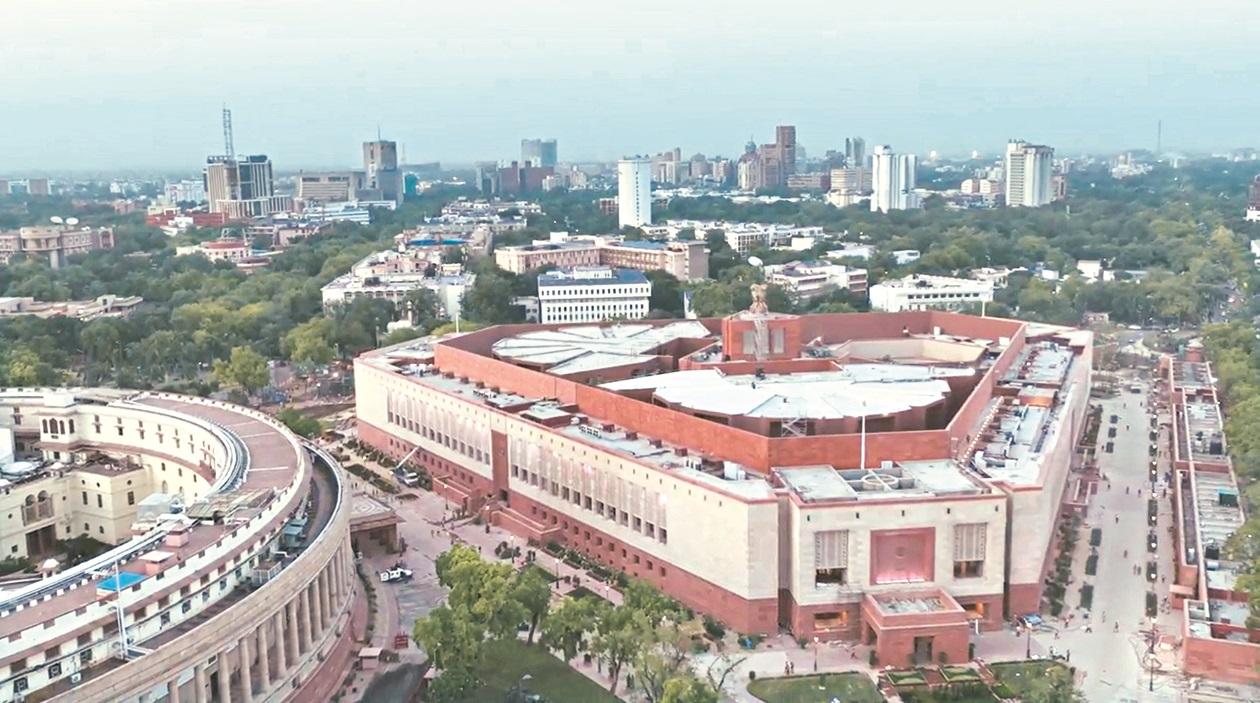
The opening day traditionally starts with the President’s address to a joint sitting of the Lok Sabha and Rajya Sabha, setting out the broad policy agenda for the year. After the address, the government is expected to move quickly into core budget business, including the Economic Survey in both Houses.
Lok Sabha Speaker Om Birla has confirmed that Finance Minister Nirmala Sitharaman will present the Union Budget 2026-27 on February 1, 2026, which falls on a Sunday. The confirmation matters because the Budget date had drawn attention this year due to the weekend scheduling and the need for clarity for Members of Parliament and the wider policy ecosystem.
According to the announced calendar, the first phase of the session ends on February 13, after which Parliament will recess and then reconvene on March 9 for the second phase, continuing until April 2. The two-phase structure is designed to allow time for detailed scrutiny of budget proposals by parliamentary committees before the Houses take up demands for grants and related financial business.
For markets and industry, the session will be closely watched not just for headline tax changes, but also for signals on capital expenditure, support for employment-heavy sectors, disinvestment strategy, and any fresh moves on regulatory reforms. For political parties, it will also be a stage for confrontation over inflation, jobs, welfare delivery and federal issues, with the Budget debate expected to be one of the sharpest set-pieces.
With the session now underway, the immediate attention shifts to what the President’s address prioritises, and then to the Economic Survey’s reading of growth, inflation and external risks ahead of Budget Day. After February 1, the focus will move to how the Budget’s allocations and tax proposals stand up to scrutiny across both Houses.