Parliament’s Budget Session starts today; Union Budget 2026-27 set for Sunday, February 1
India’s Budget Session begins on January 28 and will run till April 2, with a break between phases. The government is preparing to table the Economic Survey and present the Union Budget 2026-27 on February 1, which falls on a Sunday this year.
Budget Session begins on January 28, runs till April 2
The Budget Session of Parliament begins today, January 28, 2026, and is scheduled to continue till April 2, 2026, with proceedings split into two phases separated by a recess. The first phase is set to conclude on February 13, and the second phase will resume on March 9.
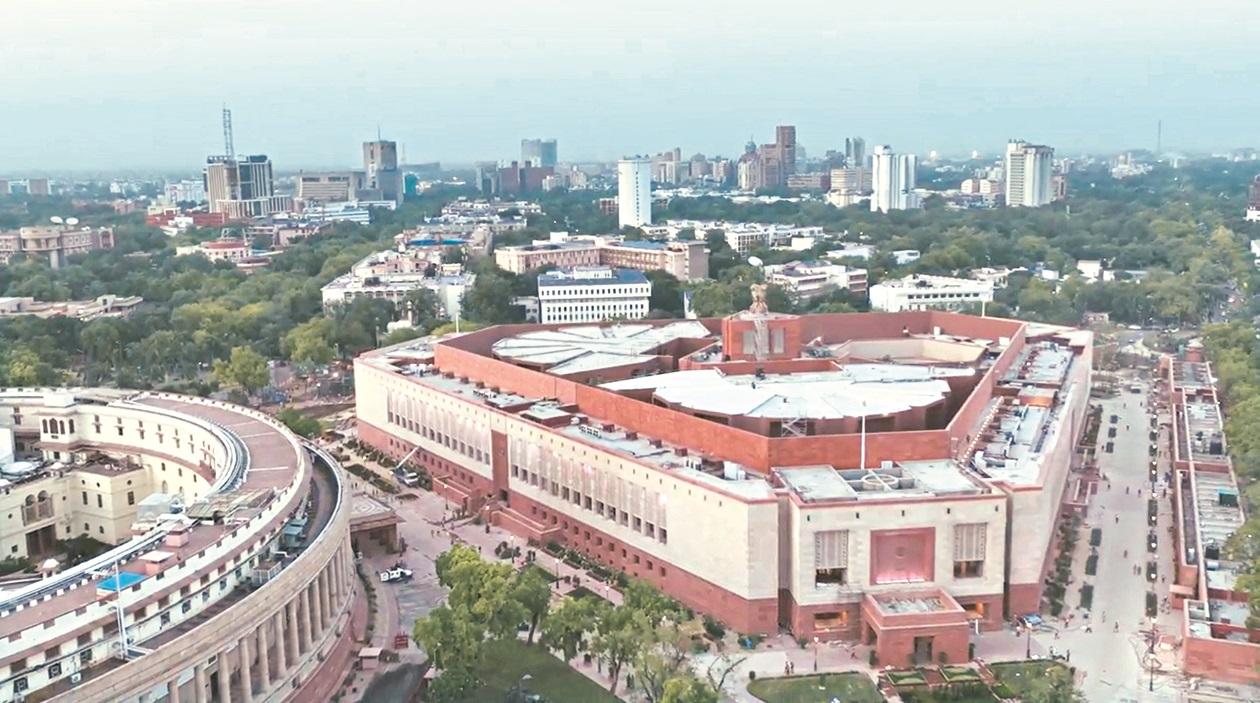
The session opens with President Droupadi Murmu’s address to a joint sitting of the Lok Sabha and Rajya Sabha in the Lok Sabha chamber. The government has signalled that the session will be the key legislative and economic moment of the quarter, with debates expected on spending priorities, tax policy, and sectoral allocations.
A rare Sunday Budget
This year’s Union Budget 2026-27 is scheduled for February 1, 2026, which falls on a Sunday. Finance Minister Nirmala Sitharaman is expected to present the Budget in Parliament after the tabling of the Economic Survey, the document that typically lays out the state of the economy, key risks, and the government’s reform and growth assumptions.
The Sunday presentation has drawn attention because it changes the rhythm of the parliamentary week and also affects market and business planning. For households and companies, the Budget is closely watched for possible updates on income-tax slabs, indirect taxes, infrastructure spending, subsidies, manufacturing incentives, and policy direction on jobs and inflation.
What to watch as the session unfolds
- How the government frames fiscal consolidation versus spending needs, especially for infrastructure and welfare.
- Signals on capital expenditure and support for manufacturing and clean energy supply chains.
- Tax-policy changes that could affect consumption, investment sentiment, and compliance burdens.
- Legislative items placed for debate during the two-phase session calendar.
With the session stretching into early April, lawmakers will have a longer runway for scrutiny of ministries’ demands for grants and for debates on broader policy themes. The Budget and Economic Survey, however, will remain the immediate focal points in the coming days.