Mamata Banerjee calls National Voters’ Day a ‘tragic farce’, renews attack on EC over Bengal roll revision
West Bengal Chief Minister Mamata Banerjee criticised the Election Commission on National Voters’ Day, alleging voter disenfranchisement risks amid a disputed electoral-roll revision exercise, as the political row over scrutiny and ‘logical discrepancies’ intensifies.
National Voters’ Day turns into a flashpoint in Bengal
On National Voters’ Day, 25 January 2026, West Bengal Chief Minister Mamata Banerjee escalated her attack on the Election Commission of India, calling the celebrations a “tragic farce” and alleging that the poll panel’s actions threaten people’s voting rights. Her remarks come amid an ongoing confrontation over the Special Intensive Revision (SIR) of electoral rolls in the state, which the Trinamool Congress has repeatedly described as hurried and disruptive.
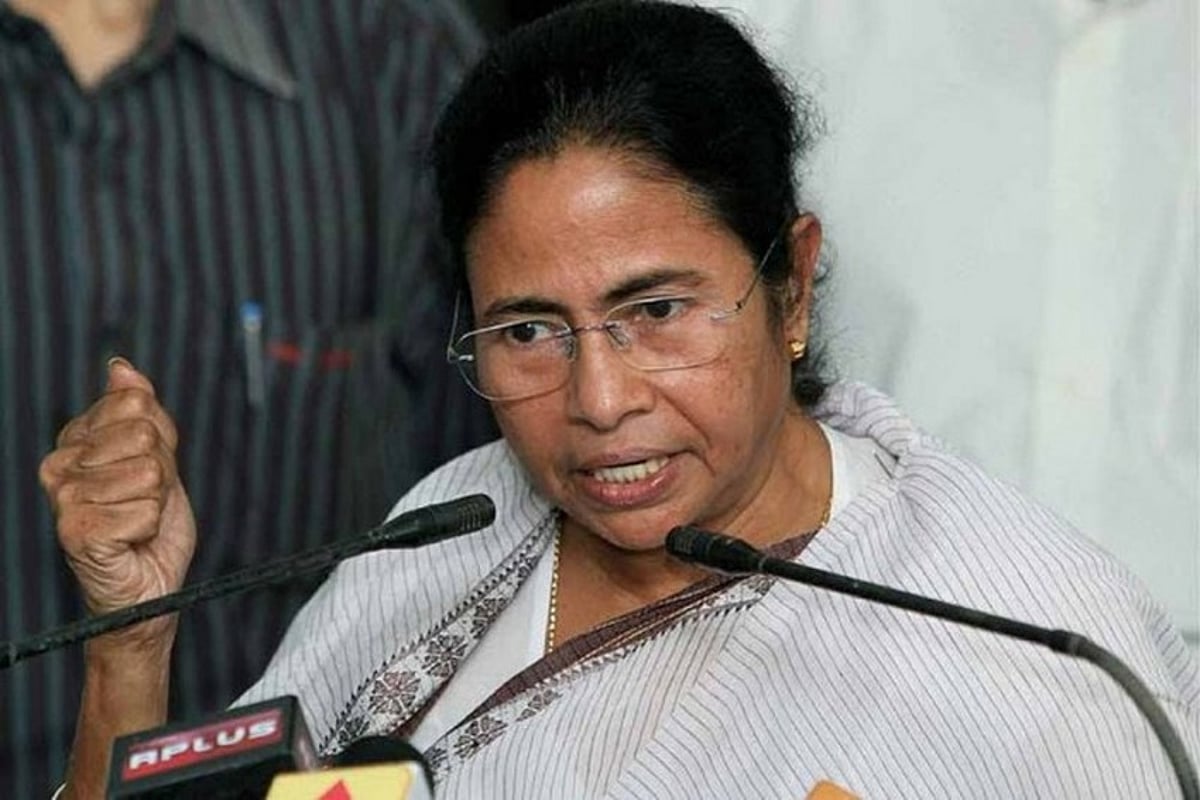
Banerjee’s criticism frames the dispute as a question of democratic legitimacy and administrative fairness, with the state’s ruling party arguing that scrutiny mechanisms could be used to target eligible voters. The EC, for its part, has maintained that roll revision and verification are routine processes designed to improve accuracy, though the political optics in Bengal have become sharply polarised.
TMC tightens mobilisation as it questions EC transparency
The TMC has linked its criticism to the handling of a list related to voter discrepancies, alleging that the process lacks transparency and that deadlines have not been met. Party leaders have used the episode to justify protests and organisational mobilisation at the local level, presenting the issue as both administrative and political.
By choosing National Voters’ Day for these remarks, the party is also attempting to seize a symbolic moment that is traditionally meant to encourage participation and enrolment, and recast it as a warning about disenfranchisement. The messaging is aimed at building pressure on the EC and shaping public perception ahead of future electoral contests.
What happens next
The immediate next steps will likely include continued protests, further exchanges between the state’s political leadership and election officials, and possible legal or administrative challenges around the roll revision exercise. For voters, the practical concern is whether any additional documentation or verification requirements will affect their ability to remain on the rolls without confusion or delay.