‘SIR turned into weapon’: Rahul Gandhi targets BJP, alleges EC role in ‘vote theft’
Rahul Gandhi accused the BJP and the Election Commission of misusing the Special Intensive Revision (SIR) of electoral rolls, alleging it is being used to undermine citizens’ voting rights. The comments come amid rising political friction over election processes.
Opposition escalates attack on electoral processes
Leader of Opposition in the Lok Sabha Rahul Gandhi has accused the BJP and the Election Commission of India (ECI) of manipulating the Special Intensive Revision (SIR) of electoral rolls, claiming the exercise is being turned into a tool to weaken the constitutional right to vote. His remarks sharpened the political confrontation around how voter lists are updated, verified and corrected.
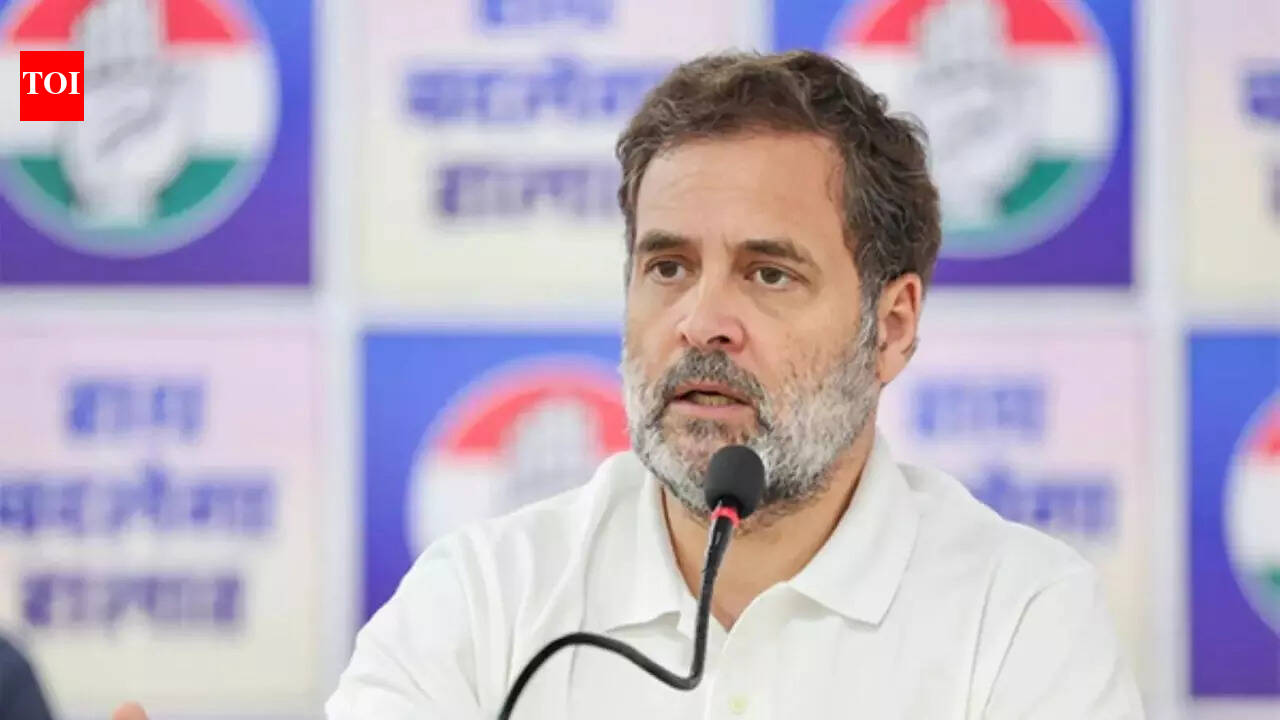
The allegation centres on the idea that roll revision—meant to ensure accuracy and prevent duplication—can be misused if safeguards and transparency are questioned. Gandhi framed the controversy as not merely administrative but as a direct challenge to democratic participation, alleging that institutional checks are failing in their duty to protect the franchise.
Why SIR matters
Electoral roll revisions typically involve door-to-door checks, document verification, and inclusion or deletion based on prescribed rules. Supporters of such drives argue that they reduce errors and improve integrity, but critics often raise concerns about wrongful deletions, inadequate notice to voters, or uneven implementation across regions.
In the current political climate, disputes around voter lists can quickly become flashpoints because they affect turnout and eligibility. With major elections and campaign cycles frequently underway somewhere in the country, parties monitor roll changes closely and may contest anomalies through administrative channels, courts, or public campaigns.
Political stakes and institutional trust
Gandhi’s criticism also pointed to the Election Commission’s perceived role, alleging it has become an accomplice rather than a neutral guardian. Such claims—whether accepted or rejected—can impact public confidence, especially when amplified during high-stakes contests.
The episode reflects a broader pattern in Indian politics where opposition parties increasingly question the neutrality of institutions, while ruling parties frame such criticism as politically motivated and harmful to trust. The dispute is likely to keep attention focused on the mechanics of roll revision, grievance redressal, and the transparency of inclusion and deletion decisions.