Congress opposes Rajasthan’s draft ‘Disturbed Areas Bill, 2026’, calls it vague and unconstitutional
Rajasthan’s cabinet-cleared draft Disturbed Areas Bill, 2026 has drawn criticism from the Congress, which argues the proposal is politically driven, relies on undefined terms and duplicates existing legal provisions, while also raising constitutional concerns around property and equality.
Draft bill cleared by cabinet, opposition pushes back
The Rajasthan government’s decision to approve the draft Disturbed Areas Bill, 2026 in a cabinet meeting has triggered a political fight, with the Congress publicly opposing the proposal. At a press conference in Jaipur, state Congress chief Govind Singh Dotasra alleged the draft was politically motivated and prepared on the Centre’s directions, describing it as inspired by a “Gujarat model” rather than Rajasthan’s ground realities.
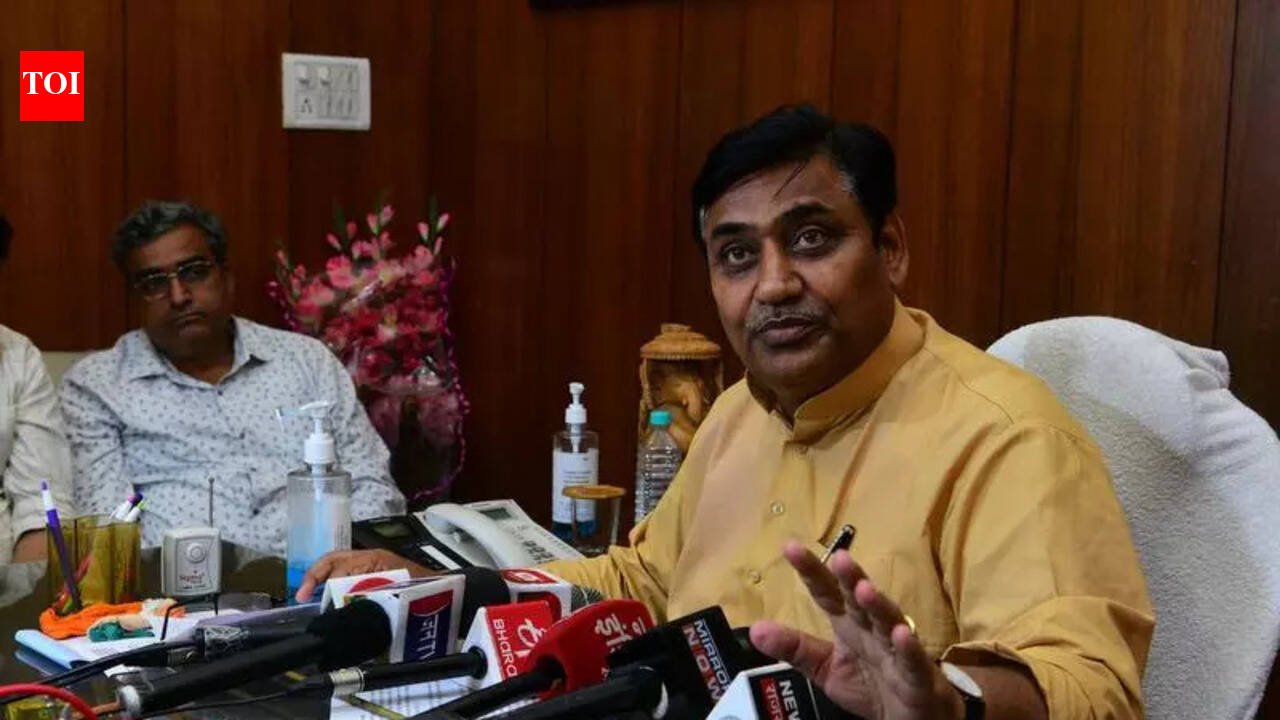
Congress leaders argued the proposed law could damage social harmony in a state they called among India’s most peaceful, and said the bill’s tone and intent risk creating fear rather than preventing unrest. The criticism positioned the draft as more of a political instrument than a targeted administrative measure.
Concerns over vagueness and duplication
A key line of attack from the opposition is that the draft allegedly uses vague and undefined language. Congress representatives said terms such as “population imbalance” are not recognised in law and that the proposal does not clearly define criteria for declaring an area “disturbed”. They also argued that existing criminal and procedural frameworks already provide tools to manage law-and-order situations.
Specifically, Congress leaders pointed to provisions under the Bharatiya Nyaya Sanhita (BNS) and the Bharatiya Nagarik Suraksha Sanhita (BNSS), saying these already enable authorities to deal with public order challenges, making a new law unnecessary. In their telling, the bill adds legal uncertainty without adding practical capability.
Constitutional objections and the next political phase
The opposition also raised constitutional objections, with party workers arguing the draft could violate Article 300A (right to property) and Article 14 (equality before law). They framed these concerns as fundamental, suggesting the bill’s structure could allow sweeping designations that may affect citizens’ rights unevenly.
With the draft now cleared at the cabinet level, the issue is expected to remain politically charged as it moves through subsequent steps. The debate is likely to centre on whether the state needs a specific “disturbed areas” framework, and if so, whether the criteria and safeguards are tight enough to prevent misuse while still meeting the government’s stated aims.