Parliament heads into Budget Session 2026 with ‘One Nation, One Election’ still under committee review
As Parliament prepares for the Budget Session 2026, the ‘One Nation, One Election’ proposal remains under scrutiny, with the Joint Parliamentary Committee given time to submit its report by the first day of the last week of the session. The reform aims to synchronise polls, while the Opposition argues it could undermine federalism and state autonomy.
A major electoral reform still on the table
As India’s Parliament moves towards the Budget Session of 2026, one of the most politically consequential proposals carried forward is ‘One Nation, One Election’ (ONOE)—a plan to synchronise Lok Sabha and State Assembly elections rather than holding them at staggered intervals. The debate has remained active since late 2024, when the government introduced the Constitution (129th Amendment) Bill as part of the effort to redesign the election calendar.
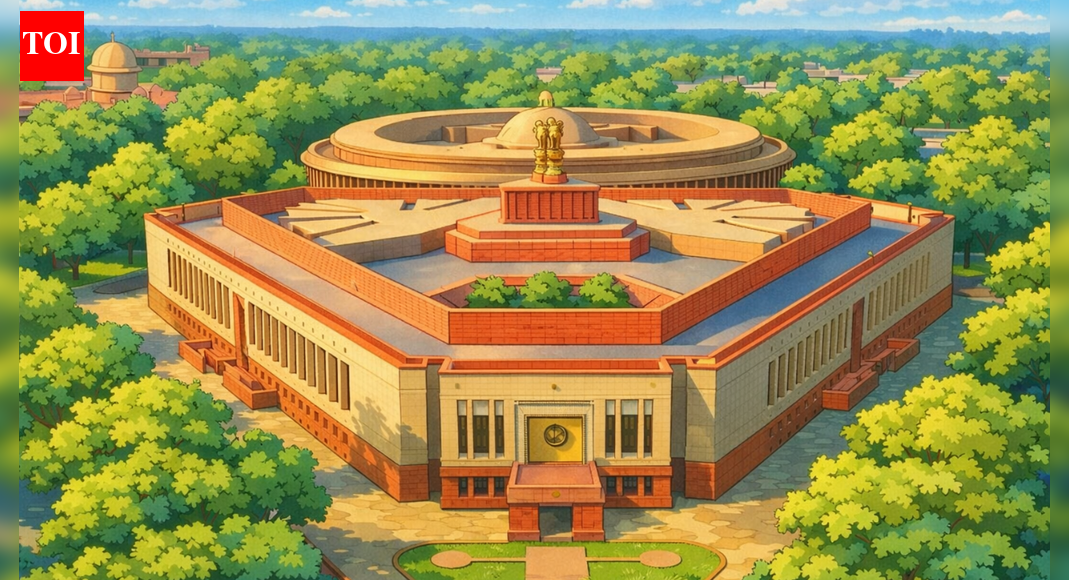
The measure did not clear the Lok Sabha in the form required for constitutional change, because amendments need a special majority. The pending nature of the reform has kept it in committee territory, with lawmakers tasked to examine practical and constitutional implications, including how terms of legislatures would be aligned and what transitional arrangements might be used.
Joint Parliamentary Committee timeline extended
The Lok Sabha has referred the ONOE-related bills to a 39-member Joint Parliamentary Committee (JPC), and the committee has been granted an extension to submit its report until the first day of the last week of the Budget Session 2026. That deadline places the committee’s conclusions squarely inside the session’s political calendar, ensuring it will remain a live issue even as budget debates unfold.
Competing arguments: efficiency vs federal balance
Supporters argue synchronised elections could reduce repeated campaign spending and limit the frequent imposition of the Model Code of Conduct, which can slow governance and decision-making. Critics in the Opposition have framed the proposal as an assault on the Constitution’s basic structure, warning that it may weaken federalism by diluting the distinct electoral mandates of states and constraining regional political choices.
With the JPC report timeline now linked to the Budget Session’s concluding stretch, both sides are expected to sharpen their positions. The committee’s recommendations—whether supportive, conditional or critical—could determine if ONOE moves back to the floor of Parliament in 2026 or remains stalled for further consultation.