India open to collaborate with ASEAN on AI capacity building, standards and practical use cases: DoT official
A senior Department of Telecommunications official said India is willing to work with ASEAN countries on AI capacity building, standards development and real-world deployments. The comments, made at an ASEAN–India digital ministers’ forum, position AI governance and cross-border collaboration as a key plank of India’s digital diplomacy.
What was said
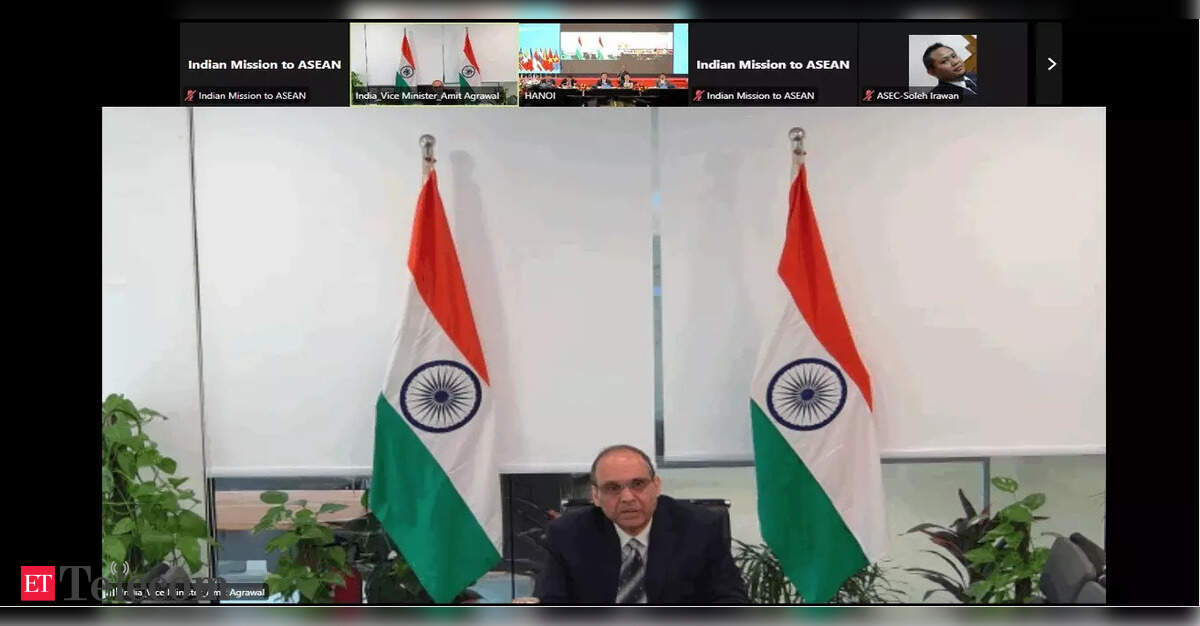
India signalled a collaborative approach to artificial intelligence in regional forums, with a senior Department of Telecommunications (DoT) official stating that India is willing to work with ASEAN partners on AI capacity building, standards development, and practical use cases. The remarks were reported in the context of an ASEAN–India digital ministers’ meeting, where digital transformation and shared governance approaches were discussed.
The framing focused on moving from basic connectivity to ‘intelligence’, and on ensuring that AI systems are developed with responsibility, transparency and public trust. In addition to AI, the discussion referenced India’s wider digital transformation narrative, including telecom rollout efforts and the role of Digital Public Infrastructure (DPI) as a model for inclusive service delivery.
Why standards and capacity matter
As AI becomes embedded across consumer apps, telecom networks, government services and enterprise workflows, standards—technical and ethical—are increasingly seen as necessary to ensure interoperability, safety, and predictable outcomes. Capacity building is equally important because AI adoption is not only about buying tools; it depends on skilled people, reliable data practices, and institutional readiness to deploy systems without increasing cyber risk or discrimination.
For India, the regional dimension matters because digital systems and threats are cross-border by nature: fraud, deepfakes, and cyber abuse can move faster than traditional regulatory processes. Collaboration with ASEAN can therefore serve both economic goals (trade, investment, innovation) and governance goals (security, trust, citizen protection).
What happens next
The report noted that an ASEAN–India digital work plan for 2026 was welcomed, with themes including training and capacity building programmes and other digital cooperation initiatives. The practical impact will depend on follow-through: pilot projects, shared standards documents, and tangible programmes that train officials and practitioners across member states.