ISRO’s first mission of 2026 hits anomaly; report says 16 satellites lost as PSLV faces second setback in months
A report said ISRO’s Polar Satellite Launch Vehicle (PSLV) encountered an anomaly during its first mission of 2026, resulting in the loss of all satellites onboard. The incident was described as the second consecutive setback for PSLV within eight months and comes amid industry concerns about launch delays and access to testing infrastructure.
Anomaly reported in the year’s first ISRO mission
ISRO’s first launch of 2026 has run into trouble, with a report saying the Polar Satellite Launch Vehicle (PSLV) encountered an anomaly that led to the loss of all satellites onboard. The story describes the event as a major setback for India’s “workhorse” rocket, which has historically been the backbone of many domestic earth-observation and commercial rideshare missions.
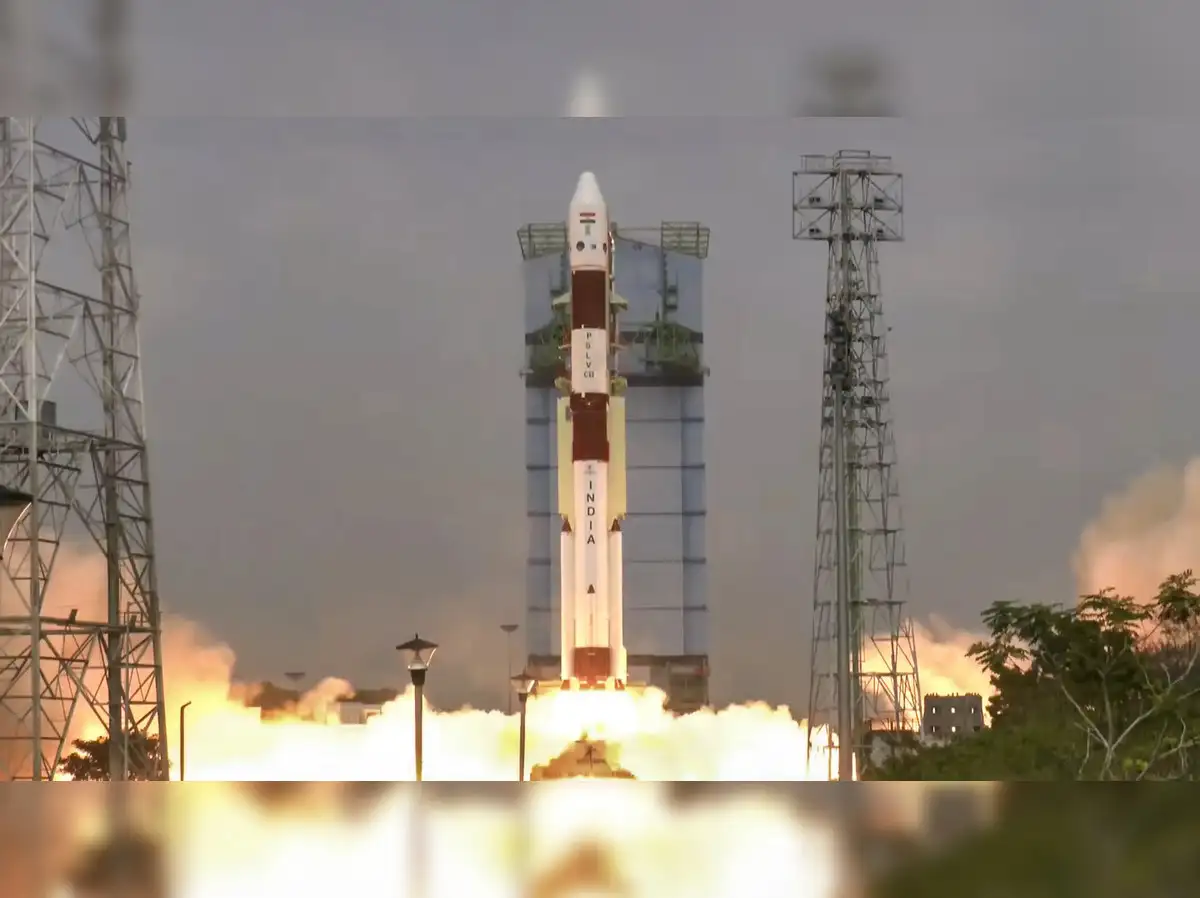
According to the report, the payload loss affected 16 satellites. In practical terms, a complete payload loss has consequences beyond the headline: customers must rebook launches, insurance and liability questions intensify, and the launch manifest gets reshuffled, creating knock-on delays for other missions waiting in line.
Second PSLV setback within months, report notes
The report calls it the second consecutive setback for PSLV in about eight months, referencing an earlier failure in 2025 related to a third-stage anomaly. For a vehicle family used frequently for national and commercial payloads, consecutive issues can trigger deeper design reviews, tighter quality-control gates, and more conservative flight-readiness criteria — all of which can slow cadence in the short term.
Industry ripple effects: schedules, testing access and overseas options
The story also flags a concern many Indian space startups have raised: launch schedule uncertainty and limited access to specialised testing facilities. When launches slip, startups face funding pressure, mission revalidation work, and contract risks — and some firms may choose overseas launch options if timelines become unpredictable.
For India’s broader space ecosystem, reliability is the key export. A quick, transparent anomaly investigation and a credible return-to-flight plan will be closely watched by commercial customers, domestic satellite operators and the growing private space sector.