ISRO chief V Narayanan said the space agency is aiming for seven launches by March 2026, including missions linked to Gaganyaan’s uncrewed programme. The update comes as ISRO positions 2026 as a high-tempo year for both commercial and technology-development launches.
Startups selected under the IndiaAI Mission to build foundational AI models are reportedly resisting a plan where government support may involve equity-linked instruments, arguing it could reshape risk and incentives for young companies.
India’s technology hiring appetite remains muted at the start of 2026, with active job openings down sharply from a year earlier, according to Xpheno’s report. While traditional IT services demand stayed under pressure, global capability centres showed relative resilience, underlining a hiring market that is fragmenting by sub-sector, seniority and city clusters.
A KPMG report launched at the World Economic Forum 2026 argues India’s shift into a pivotal geoeconomic role is being powered by semiconductor manufacturing investments and rapid AI adoption. It cites approved fabs, deep-tech R&D allocations, and IndiaAI Mission GPU deployments as markers of execution-focused capacity building.
In the 130th episode of Mann Ki Baat, Prime Minister Narendra Modi highlighted the role of young Indians in building the country’s start-up ecosystem and cited areas such as AI, space, semiconductors, mobility, green hydrogen and biotechnology. The remarks came alongside his Republic Day message and an appeal for first-time voters to register as soon as they turn 18.
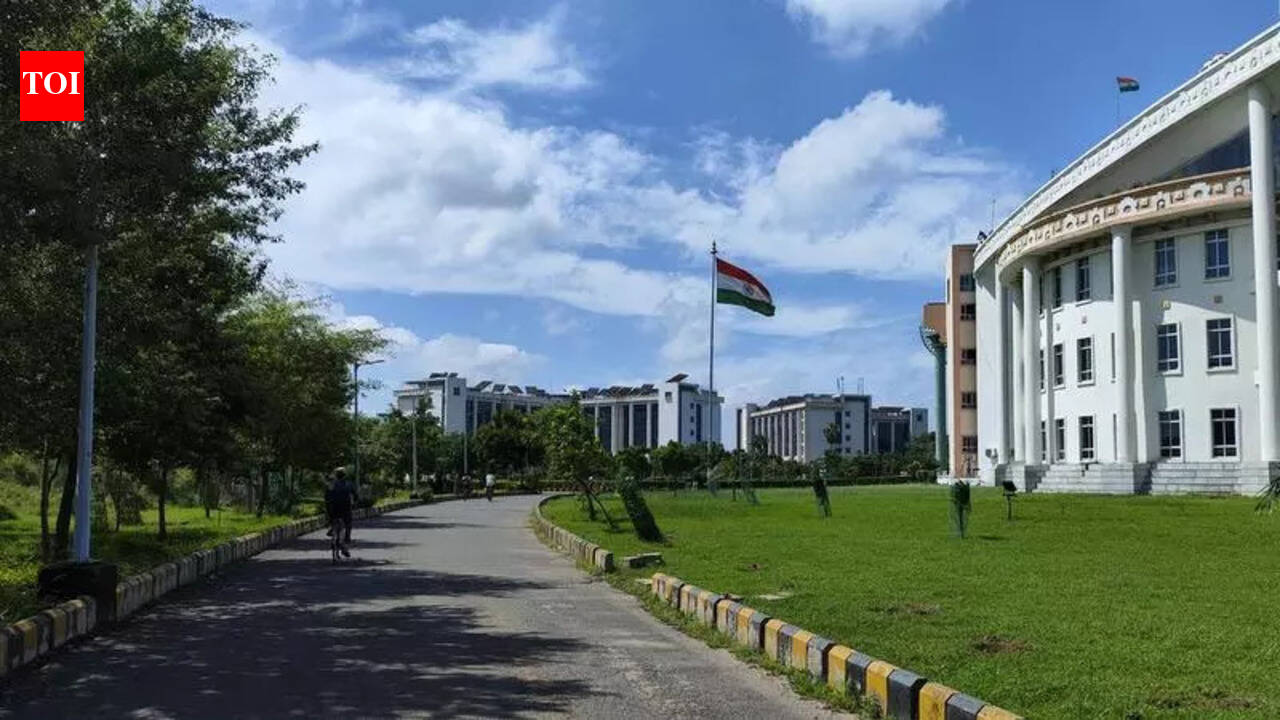
IIT Patna is set to host a day-long pre-event focused on AI strategy for innovation, startups and national priorities such as climate resilience, national AI infrastructure and child safety. The programme is positioned as an input-gathering exercise ahead of the India AI Impact Summit 2026 in New Delhi.
From Davos, SAP’s leadership said India remains a priority market and indicated plans to expand its physical presence, building on the Bengaluru innovation park inaugurated in August 2025. The remarks underline how global tech firms are doubling down on India for talent, delivery capacity and product development amid continued enterprise AI adoption.
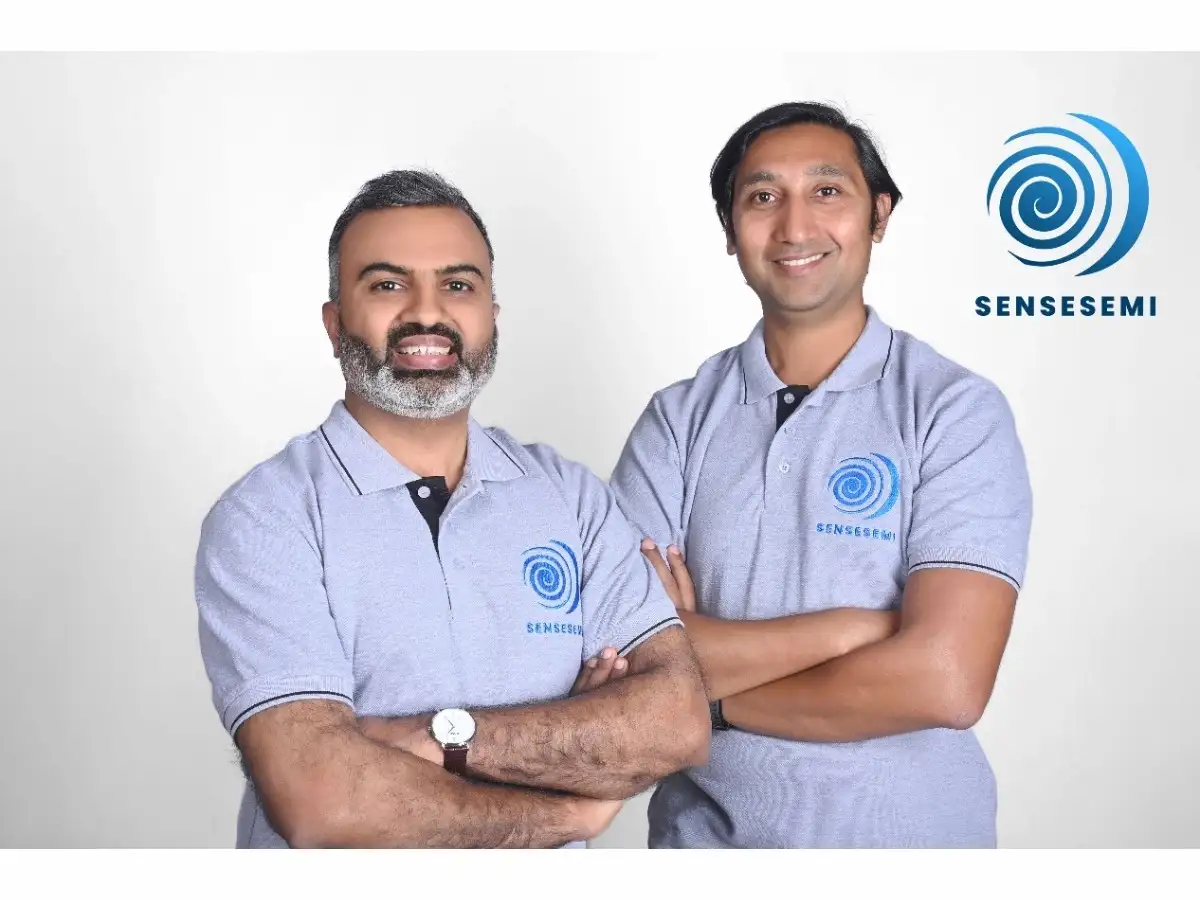
Bengaluru-based fabless semiconductor startup Sensesemi has raised Rs 25 crore in a seed round to develop edge-AI chips. The company plans to use the capital for product development, signalling continued investor interest in India’s deeptech and chip design ecosystem.
A round-up of January 2026 smartphone launches in India points to a familiar competitive pattern: brighter high-refresh AMOLED screens, multi-camera hardware and a renewed push on large batteries paired with fast charging. Brands in the mid-range segment are using spec jumps and aggressive pricing to stand out in a crowded market.
RBI has issued new directions for stronger authentication in digital payments, requiring at least two factors with one dynamic element. Payment ecosystem players must comply by 1 April 2026, as India pushes for safer, more resilient digital transactions.
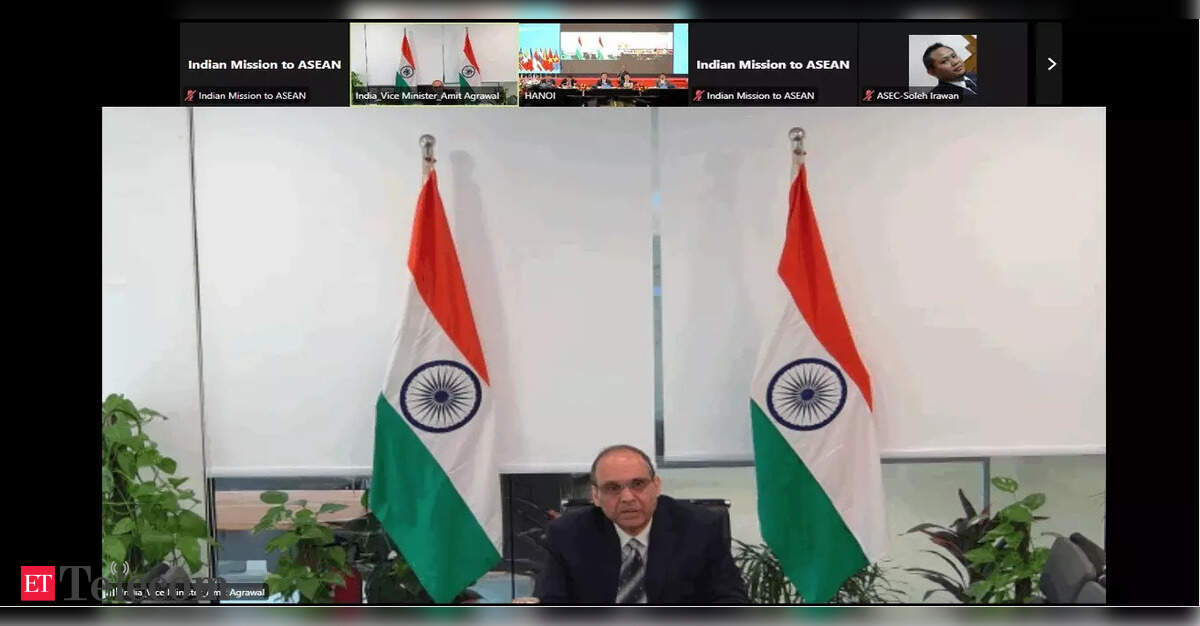
A senior Department of Telecommunications official said India is willing to work with ASEAN countries on AI capacity building, standards development and real-world deployments. The comments, made at an ASEAN–India digital ministers’ forum, position AI governance and cross-border collaboration as a key plank of India’s digital diplomacy.
IIT Patna is set to host a pre-event for the India AI Impact Summit 2026, with discussions structured around AI strategy for innovation, startups and national priorities such as climate resilience, national AI infrastructure and child safety. The main summit is scheduled in New Delhi from 16–20 February 2026.