A WHO Disease Outbreak News update said India reported 151 Zika virus disease cases during 2024 across Gujarat, Karnataka and Maharashtra (with most in Maharashtra), and outlined transmission routes and public health measures focused on surveillance, vector control and risk communication.
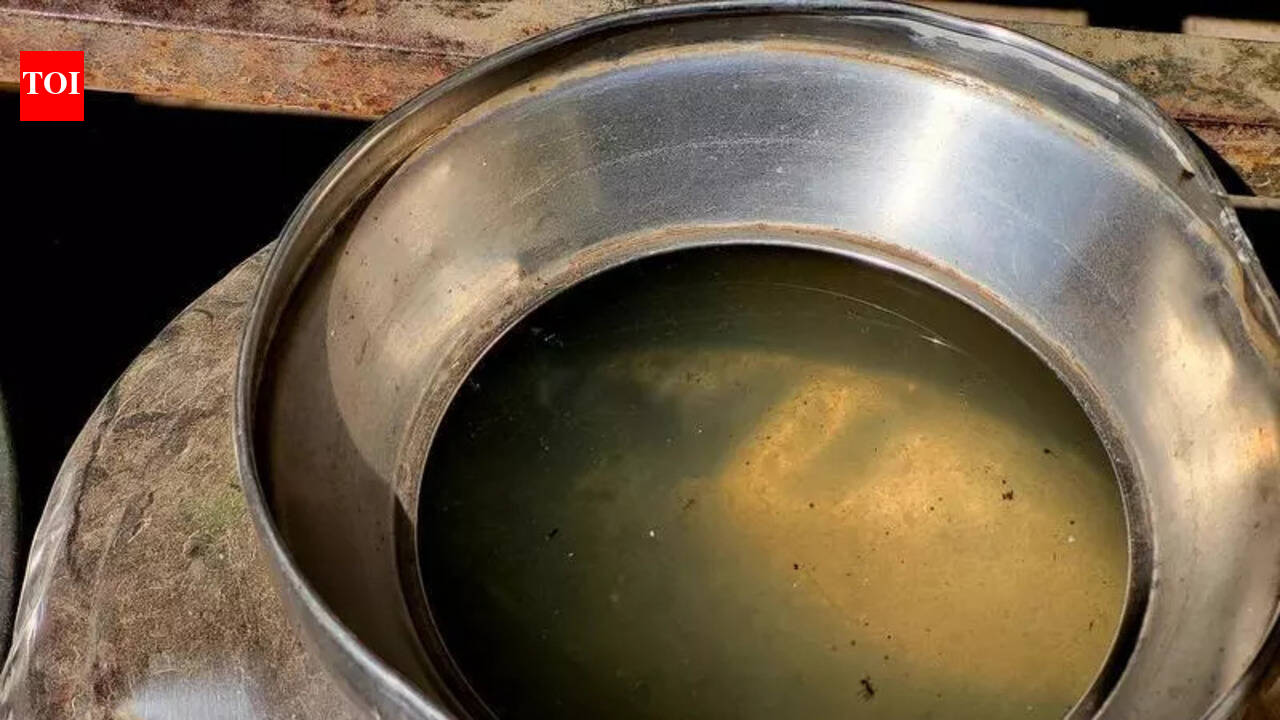
One year after Pune’s Guillain-Barré Syndrome outbreak—linked by investigations to contaminated water—gaps remain in water safety upgrades and clinical preparedness, with plans for better surveillance and testing still in progress and hospitals warning that early diagnosis and assured drug availability are crucial.
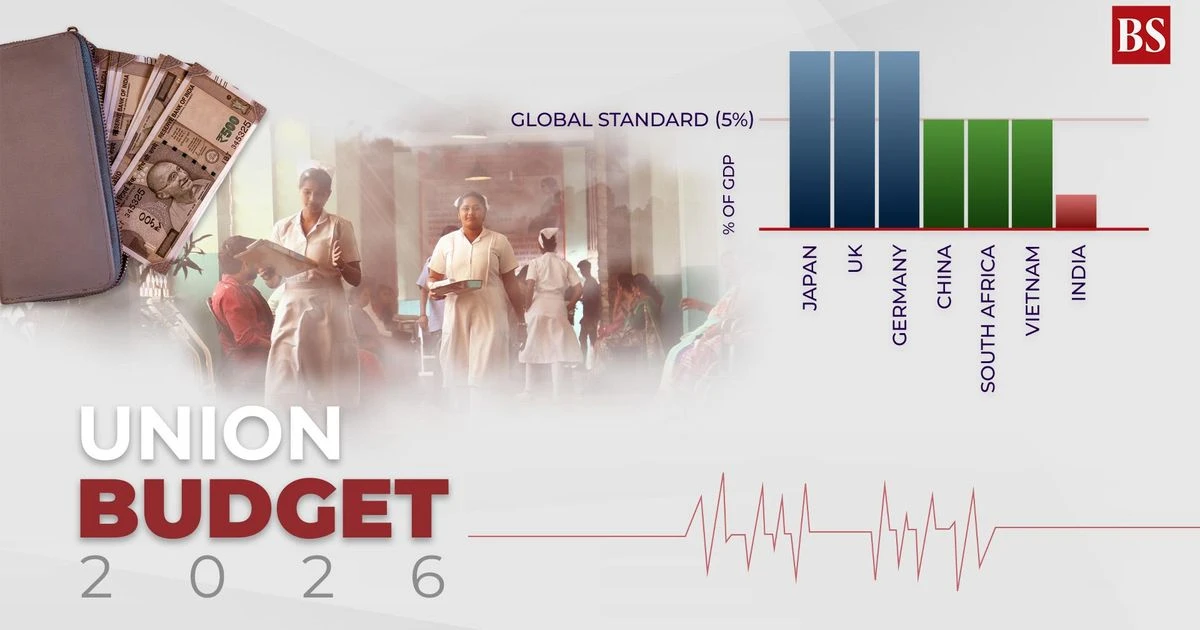
Ahead of Union Budget 2026-27, analysts and health experts are highlighting that India’s public health spending remains under 2% of GDP, arguing that rising disease burdens and out-of-pocket costs make a stronger, multi-year funding push economically necessary.
A report citing provisional data shared with the World Health Organization placed India among the countries reporting significant measles outbreaks, reinforcing the urgency behind India’s measles-rubella elimination campaign and the push to strengthen surveillance and last-mile vaccination coverage.
A study released ahead of India’s Union Budget 2026-27 argues for a sharper increase in public healthcare expenditure, warning that economic and social changes are pushing medical costs up and deepening inequalities in access to treatment.
A year after a major Guillain–Barré Syndrome (GBS) outbreak in Pune—linked by investigators to contaminated water—officials and activists say preparedness remains uneven. The civic body has improved chlorination automation and surveillance plans, but key issues like dedicated water treatment in affected areas and hospital surge readiness remain concerns.
An academic study released ahead of the Union Budget 2026-27 argues India should increase public healthcare expenditure, warning that economic and social change is pushing medical costs up and widening inequality in access. Using data from 1991 to 2023, it examines factors shaping overall and out-of-pocket health spending and calls for stronger public investment.
WHO India has highlighted field monitoring of vaccination booths in Meghalaya linked to National Immunization Day activities held on December 15, 2025. WHO-supported teams visited booths across Primary Health Centres in South West Khasi Hills and West Jaintia Hills to strengthen protocol adherence, cold-chain practices and community engagement.
Thailand’s aviation and health authorities announced enhanced screening measures for flights arriving from West Bengal, describing the Indian state as a high-risk region for Nipah virus and detailing temperature checks, health declarations and pre-boarding protocols.
A report says Pune’s municipal systems and hospitals have made only limited progress a year after a Guillain-Barré Syndrome outbreak believed to be linked to contaminated water. Key gaps cited include the absence of a dedicated treatment plant in affected areas and continuing concerns about ICU capacity, diagnostics and access to IVIG, even as a private hospital launches a specialised clinic.
India has launched the 10th edition of its drug standards compendium, the Indian Pharmacopoeia 2026, with the health minister citing progress in pharmacovigilance and improved global standing in contributions to WHO systems.
West Bengal has reported two confirmed Nipah virus infections in healthcare workers linked to a private hospital in North 24 Parganas, prompting isolation, contact tracing and support from national outbreak-response teams as officials work to prevent further spread.

/countries/india/who-india-logo-2025.tmb-1200v.png?sfvrsn=cb43098c_1)