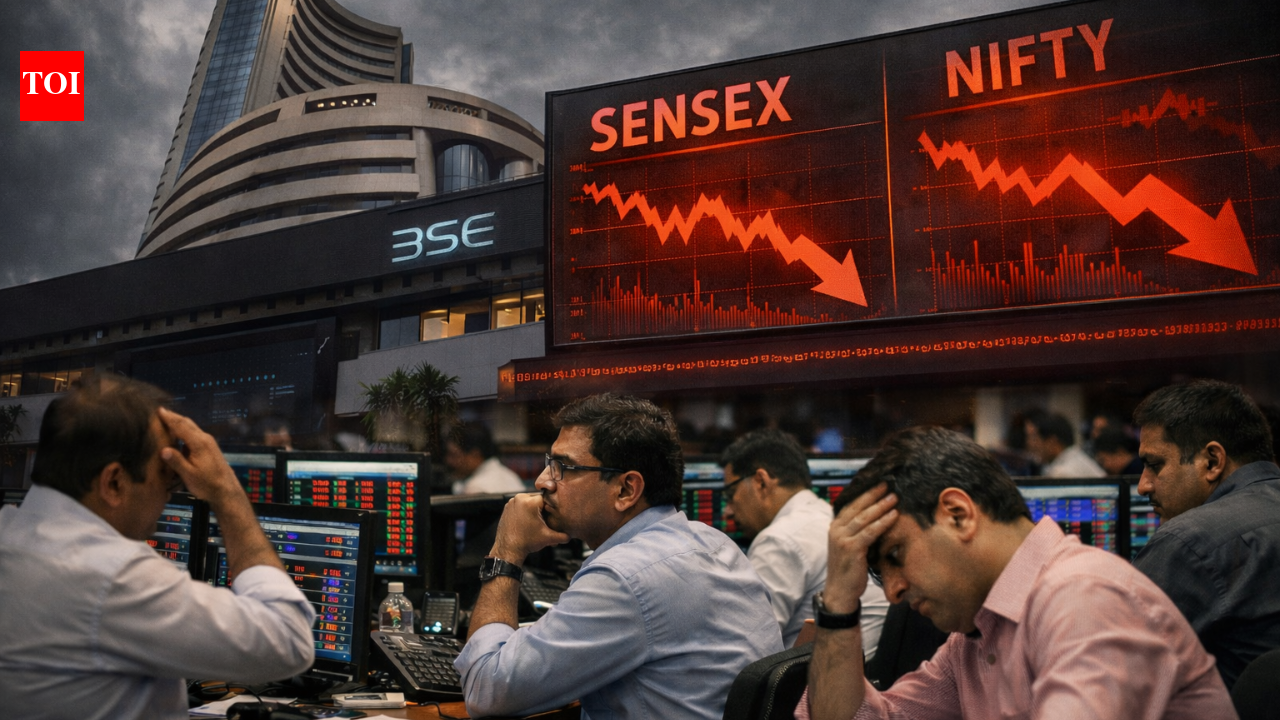
India’s benchmark equity indices were down more than 4% in January 2026, with analysts pointing to foreign portfolio investor selling, rupee weakness, mixed earnings and heightened global uncertainty—including geopolitical tensions, tariff concerns, crude prices and bond yields.
India’s inflation outlook for 2026 is being framed around lower food pressures, softer commodity trends and the upcoming launch of a new CPI series in February, with commentary pointing to headline inflation near target in early FY2026-27 and room for inflation to remain contained if conditions hold.
Ahead of Union Budget 2026-27, Nasscom has urged the government to expand ESOP tax-deferment benefits for startups, allow ESOP costs as a deductible expense, and clarify tax treatment for foreign cloud providers using Indian data centres.
The Reserve Bank of India kept the policy repo rate unchanged at 5.5% and maintained its FY26 GDP growth forecast at 6.5%, while flagging uncertainty around external demand and global volatility. The central bank also outlined a more benign inflation outlook, with quarterly risks tied to weather and base effects.
India’s benchmark indices Sensex and Nifty slid more than 4% in January 2026, with reports citing sustained foreign portfolio investor outflows, a weakening rupee, muted earnings and global uncertainties including geopolitical tensions and tariff concerns.
India’s benchmark indices Sensex and Nifty have fallen more than 4% in January 2026, pressured by foreign portfolio investor outflows, a weakening rupee, muted earnings and renewed global tariff worries. Analysts say the pre-Budget pattern often sees selling followed by a rebound post-Republic Day, but uncertainty remains elevated.
Goldman Sachs strategist Timothy Moe said India could stage a comeback in 2026 driven by stronger earnings rather than valuation expansion. He pointed to expected MSCI India earnings growth of about 15%, while noting valuations remain expensive but defensible and foreign investor interest could revive later in the year if earnings deliver and policy stays supportive.
Ahead of the Union Budget 2026–27, India’s gems and jewellery industry is urging the government to cut GST, rationalise customs duties and pursue policy reforms aimed at boosting exports and competitiveness. The sector argues that global headwinds and shifting trade dynamics make cost and tax restructuring urgent.
Indian equity benchmarks Sensex and Nifty fell more than 4% in January 2026 amid foreign portfolio selling, a weakening rupee, softer earnings sentiment and elevated global uncertainty—keeping markets cautious ahead of Budget season expectations.
India’s benchmark indices Sensex and Nifty have fallen more than 4% so far in January 2026. Market commentary cited sustained foreign portfolio investor outflows, a weakening rupee, muted earnings and global uncertainty, with the upcoming Union Budget expected to shape sentiment.
Indian equities have fallen over 4% in January 2026, with investor mood pressured by foreign portfolio selling, currency weakness, uneven earnings and renewed global uncertainties.
India’s inflation could remain contained through 2026 amid benign commodity trends and softer food prices, with a new Consumer Price Index series expected in February that may shape how forecasts and policy signals are read.